Compressor dehumidifiers usually suit warm, damp rooms and larger moisture loads, while desiccant models perform better in cooler spaces. Learn which technology fits your basement, bedroom, garage, or other damp area.
What do you need help with?
Open an answer, or tell us what we should cover next.
Answered in this guide
Compare compressor and desiccant dehumidifiers for a room
Compressor models usually work best in warm, damp rooms with larger moisture loads. Desiccant models are generally better for cool rooms, unheated spaces, and colder basements.
Choose between compressor and desiccant for a basement
Choose a compressor for a warm or moderately heated basement in many cases. Choose a desiccant model when the basement is cold, unheated, or needs reliable low-temperature performance.
Understand how compressor and desiccant models remove moisture
A compressor cools humid air so water condenses on an evaporator coil. A desiccant model uses moisture-absorbing material instead, making it better suited to cooler operating conditions.
Neither technology is always cheaper to run. Costs depend on room temperature, humidity, target setting, fan speed, operating time, defrost cycles, and how much water the unit must remove.
Diagnose poor water collection before replacing the unit
Before replacing a dehumidifier that collects little water, check simple causes first, including the filter and other operating conditions that can limit moisture removal.
Request a topic and help us choose what to build next.
Size a dehumidifier for a basement
Set up continuous drainage for a dehumidifier
Choose between a portable and whole-house dehumidifierRead this guide →
Compare a dehumidifier with an air conditioner for humidityRead this guide →
Requests help us prioritize the next guide. No email required.
One anonymous request per topic.
A compressor dehumidifier is usually the better choice for warm, damp rooms and larger spaces because it can remove substantial moisture efficiently. A desiccant dehumidifier is often better for cool rooms, occasional heating, bedrooms, garages, and other areas where compressor models may lose performance. The right choice depends mainly on temperature, humidity level, noise tolerance, and how continuously you need to run the unit.
Quick comparison
Factor
Compressor dehumidifier
Desiccant dehumidifier
Best temperature range
Mild to warm rooms
Cool rooms and unheated spaces
Moisture removal
Strong in warm, humid conditions
Consistent across a wider cool-to-mild range
Cold-weather performance
Can decline and may frost
Generally better in cool conditions
Energy use
Often lower for large moisture loads in suitable conditions
Uses heat to regenerate the desiccant material, so consumption can be higher for comparable moisture removal
Noise
Compressor and fan noise; may cycle on and off
Fan noise plus a warm exhaust stream; no compressor vibration
More heat, potentially higher running cost, and often less suitable for very large moisture loads
How each type works
Compressor dehumidifiers
A compressor model draws humid air across a cold evaporator coil. Water condenses on the coil, collects in a tank or drain system, and the drier air passes back into the room.
This design is generally efficient when the room is warm enough for condensation to occur readily. Many household compressor units include an automatic defrost cycle. In a cold basement, however, the coil can frost more frequently, temporarily stopping moisture removal while the unit defrosts.
Desiccant dehumidifiers
A desiccant model passes air over a moisture-absorbing material. A separate part of the unit warms that material and releases the collected moisture into a condensate container or drain path.
Because it does not depend on a cold coil, a desiccant unit can keep extracting moisture in cooler conditions. It also returns warmer air to the room. That can be useful in a cold bedroom or garage, but undesirable in a room that is already warm.
Product prices and availability are accurate as of the date/time indicated and are subject to change. Any price and availability information displayed on Amazon.com at the time of purchase will apply to the purchase of this product.
Which is better for a basement?
Choose based on basement temperature and moisture load:
Warm or moderately heated basement: A compressor model is usually the practical first choice.
Cold, unheated basement: A desiccant model may maintain more consistent performance.
Very damp basement with seepage or flooding: Neither dehumidifier should be treated as the primary fix. Address water entry, drainage, plumbing leaks, or foundation problems first.
Basement that stays near freezing: Check the manufacturer's minimum operating temperature. Do not assume a household unit can operate safely or effectively in those conditions.
A compressor unit may still work in a cool basement if it has a suitable low-temperature operating range and effective defrost control. Compare the published operating-temperature information rather than relying only on the technology label.
Product prices and availability are accurate as of the date/time indicated and are subject to change. Any price and availability information displayed on Amazon.com at the time of purchase will apply to the purchase of this product.
Which is better for a bedroom?
A desiccant dehumidifier can be attractive for a cool bedroom because it avoids compressor cycling and adds some warmth. However, the fan and air movement may still be noticeable at night. Look for a published noise rating, low operating mode, timer, and controls that do not produce bright light if sleep comfort matters.
A compressor model may be the better option in a warm bedroom or when the room has a substantial moisture problem. Place either type away from walls, curtains, and furniture so air can circulate freely.
Product prices and availability are accurate as of the date/time indicated and are subject to change. Any price and availability information displayed on Amazon.com at the time of purchase will apply to the purchase of this product.
Energy use and running cost
Neither technology is automatically cheapest in every situation. Energy use depends on room temperature, humidity, target setting, fan speed, operating time, defrost cycles, and the amount of water the unit must remove.
A compressor dehumidifier often has an efficiency advantage in warm, humid conditions. A desiccant model may use more electricity because it needs heat to regenerate the moisture-absorbing material, but it can be more effective in a cool room where a compressor unit spends time defrosting.
For a fair comparison, check the manufacturer's energy information under comparable conditions. A larger nominal extraction figure from one technology may have been measured at different temperature and humidity conditions than the figure for another model.
Product prices and availability are accurate as of the date/time indicated and are subject to change. Any price and availability information displayed on Amazon.com at the time of purchase will apply to the purchase of this product.
Moisture-removal capacity is not directly interchangeable
Manufacturers may report water extraction using a stated temperature and relative humidity. A capacity number measured in warm, humid test conditions may not represent performance in a cold basement.
When comparing models, consider:
The manufacturer's test conditions for the extraction rating.
The recommended room size and moisture-load guidance.
The minimum operating temperature.
Whether the unit has automatic defrost.
Whether continuous drainage is available.
The tank size and how often you are willing to empty it.
Do not choose solely by the largest advertised extraction number. A unit that operates effectively in your actual room can be a better choice than a nominally higher-capacity model designed for warmer conditions.
Drainage and maintenance differences
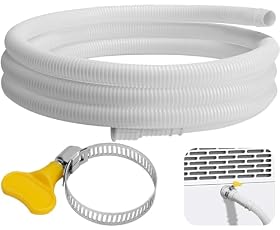
Both types may collect water in a removable tank or send it through a hose to a suitable drain. Continuous drainage is useful when the dehumidifier must run unattended, but the hose needs a reliable downhill route unless the unit is designed to work with a condensate pump.
Basic maintenance is similar:
Clean or replace the air filter according to the manual.
Keep air inlets and outlets unobstructed.
Empty and clean the water tank when required.
Inspect the drain hose for kinks, blockages, and poor connections.
Clean around the unit and keep it level and stable.
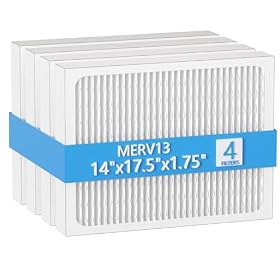
A dirty filter reduces airflow and can hurt performance in either design. If a unit is used in a dusty basement, workshop, or laundry area, inspect the filter more often.
When a compressor model is the better buy
Choose a compressor dehumidifier when most of these conditions apply:
The room is heated or stays relatively warm.
Humidity is high for long periods.
You need to remove a large amount of water.
You want lower energy use under warm operating conditions.
Some compressor and fan noise is acceptable.
You can provide a suitable drain or empty the tank.
When a desiccant model is the better buy
Choose a desiccant dehumidifier when these conditions are more important:
The room is cool or intermittently heated.
The unit will operate in a cold basement, garage, closet, or utility space.
You want warmer exhaust air.
A compressor's cold-weather performance may be unreliable.
The moisture load is moderate rather than extreme.
Confirm the unit's rated capacity, operating temperature, power requirements, and drainage options before purchase.
Troubleshooting before replacing either type
If a dehumidifier is running but collecting little water, check the simple causes first:
Check the filter. A clogged filter can restrict airflow. Clean or replace it as directed.
Inspect the air path. Move the unit away from walls, curtains, boxes, and furniture. Make sure the intake and exhaust are not blocked.
Check the room conditions. A compressor model may collect little water in a cold room, while either type may run less often if the humidity setting has already been reached.
Check the drain and tank. Make sure the tank is seated correctly, the float is not stuck, and the hose is not kinked or blocked.
Look for air leaks in the room. Open doors, windows, foundation leaks, or wet materials may add moisture faster than the unit can remove it.
Check for frost on a compressor coil. Turn the unit off and follow the manufacturer's defrost instructions. Do not scrape ice from the coil.
Consider electrical or mechanical failure last. Unusual buzzing, burning odor, repeated tripping of a breaker, damaged wiring, or a compressor that will not start requires stopping use. Follow the manual and have electrical repairs handled by a qualified professional.
If the unit is old, has a failed sealed refrigeration system, or costs nearly as much to repair as a suitable replacement, replacing the unit is generally more reasonable. Use the manufacturer's instructions for refrigerant, electrical, and internal repairs; do not open a sealed system yourself.
Bottom line
For a warm, damp basement or living area, start with a compressor dehumidifier. For a cool or unheated space, especially one where a compressor may frost and spend much of its time defrosting, consider a desiccant model. Compare operating temperature, real-world capacity conditions, noise, heat output, drainage, and maintenance requirements—not just the technology name or headline extraction rating.
FAQ
Is a desiccant dehumidifier better than a compressor model?
Neither is universally better. Desiccant models are usually better in cool rooms and produce warm exhaust air. Compressor models are often more efficient and better suited to warm rooms with a larger moisture load.
Which type is best for a cold basement?
A desiccant model may perform more consistently in a cold basement. A compressor model can also work if its published operating range and defrost system support the basement temperature.
Do desiccant dehumidifiers use more electricity?
They can use more electricity because they heat the desiccant material to release moisture. However, the relevant comparison depends on temperature, humidity, runtime, and whether a compressor model is losing performance to frost and defrost cycles.
Does a desiccant dehumidifier heat a room?
Yes. Desiccant units normally return warmer air to the room. This can be useful in a cool space but uncomfortable in a warm bedroom or living area.
Can a compressor dehumidifier run in an unheated garage?
Only if the manufacturer's operating-temperature range allows it. In low temperatures, the coil may frost and the unit may remove little moisture or spend much of its time defrosting.