A desiccant dehumidifier can be a practical choice for an RV, especially in cool weather or smaller spaces. Here is what to look for in capacity, power, drainage, and safe operation.
A desiccant dehumidifier for an RV can help control condensation, musty odors, and damp bedding, particularly when the RV is used in cool weather. Unlike a compressor dehumidifier, a desiccant unit uses a moisture-absorbing material and generally continues working more effectively at lower temperatures. The tradeoff is that it may remove less water per day, use substantial electricity for its size, and release warm air.
Why choose a desiccant dehumidifier for an RV?
Desiccant models are often a good fit when a compressor unit is inconvenient or ineffective.
Better performance in cool conditions
Compressor dehumidifiers depend on a refrigerated coil. In cooler spaces, that coil can frost over, reducing moisture removal and causing the unit to cycle or pause for defrosting. Desiccant units do not rely on the same refrigeration process, so they are commonly preferred for:
Unheated RVs
Camping in fall, winter, or early spring
Cool basements or storage conditions
Areas where overnight temperatures drop significantly
Check the manufacturer’s stated operating-temperature range before buying. “Works in cold weather” is not a substitute for a published temperature range.
Compact form factor
An RV has limited floor and storage space. Compare the unit’s complete operating footprint—not just its advertised dimensions—with the available space around furniture, doors, vents, and walkways. Leave the clearance specified in the manual so air can circulate properly.
Warm exhaust can be useful or inconvenient
Desiccant units typically return warmer air to the room. That may be helpful in a cool RV, but it can make the interior uncomfortable in warm weather. Avoid placing the exhaust directly toward a sleeping area or an enclosed cabinet.
What to look for when buying one
Moisture-removal capacity
Look for the manufacturer’s moisture-removal rating and the conditions used to measure it. Ratings can vary considerably with temperature and humidity, so numbers from different products are not always directly comparable.
For a small RV with occasional condensation, a compact unit may be sufficient. A larger RV, persistent dampness, wet clothing, frequent cooking, or several occupants may require a higher-capacity model or more than one moisture-control measure.
A dehumidifier cannot compensate for a roof leak, plumbing leak, or water entering through a slide-out or window seal. Find and repair the source first.
Electrical demand
Check the unit’s input wattage or amperage before using it in an RV. Desiccant heaters can draw meaningful power, and the available supply may be limited by:
Shore-power service
Generator capacity
Inverter output
Battery-bank size
Other appliances running at the same time
Do not assume that a small physical size means low power consumption. Add the dehumidifier’s electrical demand to the load from heaters, microwaves, refrigerators, battery chargers, and other equipment. Use a properly rated outlet and cord, and follow the RV and dehumidifier manuals. If an outlet, plug, cord, or adapter becomes hot, stop using the setup and have it checked.
Tank capacity and automatic shutoff
A small water tank may fill quickly in a damp RV. Automatic shutoff is important because it prevents the unit from continuing to run after the tank is full.
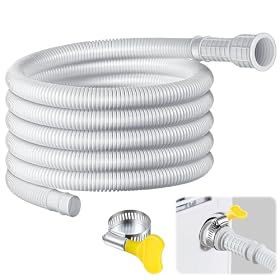
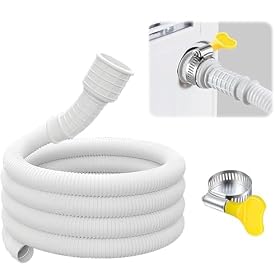
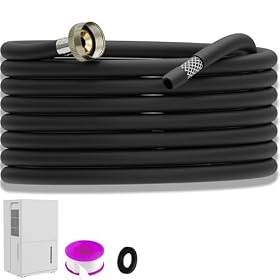
For unattended use, verify whether the model supports continuous drainage. Some compact units have a drain outlet, while others require a compatible hose, an elevated drain path, or a condensate pump. Do not route water where it can reach electrical components, flooring, cabinets, or neighboring RV compartments.
Noise and operating controls
Check the manufacturer’s noise information if the unit will run near a bed. Fan noise can be more noticeable in a small RV, even when the dehumidifier is not especially loud in a larger room.
Useful controls may include:
Humidistat or target-humidity setting
Timer
Automatic restart after a power interruption
Low-power or sleep mode
Full-tank indicator
Continuous-drain option
An automatic restart feature can be useful after a campground power interruption, but it should not replace safe supervision when the RV is unattended.
Filter access and cleaning
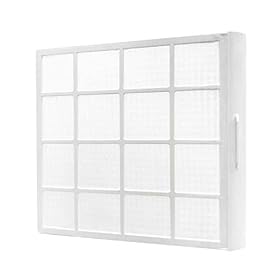
A washable or replaceable air filter helps protect the intake from dust and pet hair. Choose a design that allows the filter to be removed without dismantling the unit. In an RV, construction dust, fabric lint, and pet hair can accumulate quickly.
Follow the cleaning interval in the manual. A clogged filter can reduce airflow, increase noise, lower moisture removal, and make the unit run hotter.
Product prices and availability are accurate as of the date/time indicated and are subject to change. Any price and availability information displayed on Amazon.com at the time of purchase will apply to the purchase of this product.
How to use a desiccant dehumidifier in an RV
Close windows and doors while it runs. Open windows bring in more humid outdoor air and reduce the unit’s effectiveness.
Place it on a level, stable surface. Keep it away from sinks, shower spray, leaks, and areas where it could be knocked over.
Keep the intake and exhaust clear. Do not cover the unit or place it tightly against a wall, curtain, seat, or cabinet.
Start with a moderate humidity target. A relative humidity target around 40% to 60% is commonly comfortable, but the appropriate setting depends on temperature, condensation, and the RV’s materials.
Use a separate hygrometer if needed. The reading on the dehumidifier may not represent humidity near the bed, bathroom, or storage compartments.
Empty or drain the tank safely. Never allow collected water to overflow near an outlet, extension connection, or sensitive RV equipment.
Ventilate briefly after showers and cooking. Source control reduces the workload on the dehumidifier. Use the RV’s exhaust fan as appropriate, especially during showers.
Avoid aiming the warm exhaust at smoke detectors, heat-sensitive materials, or a person sleeping nearby. Keep the unit away from propane appliances and do not modify its electrical cord or safety controls.
Product prices and availability are accurate as of the date/time indicated and are subject to change. Any price and availability information displayed on Amazon.com at the time of purchase will apply to the purchase of this product.
Desiccant versus compressor dehumidifiers in an RV
A desiccant unit is usually the stronger choice when low-temperature operation is the priority. A compressor model may be more attractive when the RV is warm, moisture removal needs are high, and lower operating energy or cooler exhaust is more important.
Consideration
Desiccant
Compressor
Cool-weather use
Often better suited
May lose effectiveness or frost in cool conditions
Exhaust air
Usually warmer
Usually less warm or mildly warm
Moisture removal
Often lower for a similar compact size
Often higher in warm, humid conditions
Electrical load
Depends on the heater and fan design; check the rating
Depends on the compressor and fan; check the rating
RV suitability
Useful for cool camping and small spaces
Useful for warm-weather, high-humidity conditions
Drainage
Tank or continuous drain, depending on model
Tank or continuous drain, depending on model
These are general design differences. Always compare the specific operating-temperature range, wattage, moisture-removal rating, noise information, and drainage instructions for the models you are considering.
Product prices and availability are accurate as of the date/time indicated and are subject to change. Any price and availability information displayed on Amazon.com at the time of purchase will apply to the purchase of this product.
When a dehumidifier is not the real solution
Persistent moisture may indicate a problem that needs repair rather than more dehumidification. Inspect for:
Damp carpet or flooring near exterior walls
Soft or stained ceiling panels
Water around windows, roof vents, slides, or storage doors
Plumbing drips under sinks or near the water heater
Condensation inside cabinets or behind mattresses
Wet insulation or a musty smell that returns quickly
Improve air circulation around mattresses, cushions, and stored clothing. Avoid packing damp items into closed compartments. If you find an active leak, disconnect power near the affected area when safe and have the RV inspected by a qualified technician.
Common problems and quick checks
The unit collects little water
Confirm that the RV is closed up, the air intake is unobstructed, and the filter is clean. Check that the humidity setting is below the current humidity and that the room is within the unit’s operating-temperature range. A small desiccant unit may simply be undersized for a wet RV or a high-moisture activity.
The unit shuts off unexpectedly
Check for a full tank, incorrect drain routing, a blocked filter, overheating, or a tripped outlet or inverter. Let the unit cool if the manual permits it, then inspect the intake and exhaust. Do not bypass a thermal cutoff or operate the unit with damaged wiring.
The RV still has condensation
Reduce moisture at the source: use bathroom ventilation, cover boiling pots, dry wet clothing outside the living area, and improve airflow around cold windows and mattresses. If condensation remains heavy, use a hygrometer in several locations and consider a higher-capacity unit or a second unit only after ruling out leaks and ventilation problems.
The unit smells or becomes noisy
Turn it off and inspect the filter, intake, exhaust, and surrounding area. Dust buildup, a loose panel, or an object touching the fan housing can cause odor or vibration. If there is a burning smell, hot plug, damaged cord, smoke, or unusual electrical noise, unplug it if safe and stop using it until the manufacturer or a qualified technician provides guidance.
Bottom line
Choose a desiccant dehumidifier for an RV when cool-weather performance, compact size, and warm exhaust are acceptable tradeoffs. Prioritize the operating-temperature range, electrical demand, tank or drainage setup, filter access, noise information, and automatic shutoff. For warm, very humid conditions requiring substantial water removal, compare compressor models as well. In either case, repair leaks and control moisture sources before relying on a dehumidifier alone.
FAQ
Is a desiccant dehumidifier good for an RV?
Yes, especially when the RV is cool or unheated. Desiccant units are commonly chosen for lower-temperature operation, but they may remove less water and use more electricity than a compressor unit of similar size. Check the specific model’s temperature range and wattage.
Can I run a desiccant dehumidifier in an RV overnight?
Only if the unit is designed for unattended operation and is placed safely with adequate clearance, a clean filter, and a suitable tank or drainage arrangement. Follow the manufacturer’s instructions, and do not use it if the plug, cord, outlet, or unit becomes hot or damaged.
What humidity should an RV dehumidifier maintain?
A setting around 40% to 60% relative humidity is a common starting range. Adjust it based on condensation, comfort, and the RV’s temperature. A separate hygrometer can provide a more useful reading in sleeping or storage areas.
Why does my RV dehumidifier collect water slowly?
The RV may be too cold, the humidity setting may be too high, the filter or intake may be blocked, or the unit may be too small for the space. Open windows, leaks, and wet clothing can also continually add moisture.