A portable dehumidifier is usually the practical choice for one damp room or a limited budget. A whole-house unit makes more sense when humidity affects several areas and you want centralized, automatic control.
A portable dehumidifier is usually best for one room, a basement zone, or a temporary moisture problem. A whole-house unit is the better fit when humidity affects multiple rooms, several floors, or the entire HVAC system. The right choice depends on coverage, drainage, installation access, operating conditions, and how consistently you need humidity controlled.
Portable versus whole-house dehumidifiers at a glance
Factor
Portable dehumidifier
Whole-house dehumidifier
Best for
One room, basement, bedroom, laundry area, or localized dampness
Multiple rooms or an entire home
Installation
Plug in and position correctly
Professional installation is commonly required
Air coverage
Limited to the room or nearby open area
Connected to ductwork or designed for centralized circulation
Drainage
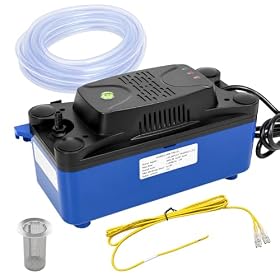
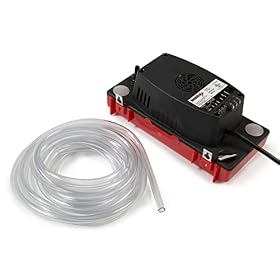
Bucket, gravity hose, or condensate pump
Usually a permanent drain connection or condensate pump
Upfront cost
Lower in most cases
Higher because of equipment and installation
Portability
Can be moved between areas
Permanently installed
Noise
Noise is concentrated in the room with the unit
Noise may be less noticeable in living areas, depending on installation
Maintenance
Clean the filter, empty or drain the unit, and keep air inlets clear
Maintain filters, drains, duct connections, and the installed unit
These are general differences. Follow the manufacturer's installation, drainage, clearance, and electrical requirements for the specific unit.
Choose a portable unit when the problem is localized
One basement, bedroom, bathroom-adjacent area, or laundry room is damp.
You rent or cannot modify the HVAC system.
You want to address a seasonal moisture problem.
You need to move the unit between rooms.
You want a lower-commitment solution before investing in permanent equipment.
A portable unit works best when air can circulate through the affected space. Closing it inside a small closet, placing it behind furniture, or expecting it to dry several separated rooms can reduce its effectiveness.
For a basement, place the unit on a stable, level surface with the clearances specified by the manufacturer. If possible, use continuous drainage rather than relying on the bucket. A full bucket can stop the unit, and frequent bucket emptying is inconvenient in a damp space.
Portable-unit specifications that matter
Capacity is commonly listed as the amount of water the unit can remove under a stated test condition. Do not compare the number alone without considering the room size, moisture load, temperature, and test standard used for the rating.
Also check:
Humidistat range: A built-in humidistat lets the unit cycle toward a selected relative humidity instead of running continuously.
Continuous-drain design: Confirm that the unit supports a hose and that the drain can flow downward, or plan for a condensate pump.
Low-temperature operation: Cool basements can affect performance and may cause frost or defrost cycles on some units. Check the operating-temperature range.
Filter access: A washable or replaceable filter that is easy to reach is more practical for regular maintenance.
Noise and placement: A portable unit puts compressor and fan noise directly in the room where it operates.
Power requirements: Use the required outlet and avoid unsafe extension-cord arrangements. Follow the electrical instructions supplied with the unit.
Product prices and availability are accurate as of the date/time indicated and are subject to change. Any price and availability information displayed on Amazon.com at the time of purchase will apply to the purchase of this product.
Choose a whole-house unit when humidity is widespread
A whole-house dehumidifier is more appropriate when:
Several rooms remain humid even when doors are open.
Humidity returns throughout the home rather than in one isolated area.
You want one central humidity-control system instead of several portable units.
The home already has compatible forced-air ductwork or a suitable installation location.
You need permanent drainage and automatic operation.
Whole-house systems may be installed as ducted equipment or integrated with an HVAC system. They are not simply larger portable units: the installation must account for airflow, duct sizing, controls, condensate removal, service access, and electrical requirements.
A whole-house unit cannot compensate for every building problem. Bulk water intrusion, plumbing leaks, poor grading, missing vapor control, or major air leakage should be corrected separately. Dehumidification treats excess moisture in the air; it does not stop water from entering the building.
Whole-house specifications that matter
When comparing whole-house equipment, focus on the complete installation rather than the appliance rating alone:
Rated moisture-removal capacity: Compare ratings under the same test conditions and consider the home's climate and moisture load.
Duct compatibility: The unit must work with the existing duct layout or with a properly designed dedicated system.
Control placement: A humidity sensor in the wrong location can produce poor comfort or uneven control.
Drain method: Confirm whether gravity drainage is possible. If not, a condensate pump may be required.
Service access: Filters, drains, coils, and controls need accessible maintenance points.
Operating temperature: A basement or unconditioned area may require equipment rated for that environment.
Electrical requirements: Installation may require a dedicated circuit or other electrical work. A qualified HVAC or electrical professional should handle work that is beyond a standard plug-in connection.
Product prices and availability are accurate as of the date/time indicated and are subject to change. Any price and availability information displayed on Amazon.com at the time of purchase will apply to the purchase of this product.
Which option costs less to operate?
A portable unit usually has the lower initial cost, but operating cost depends on how long it runs, its efficiency, the humidity level, and the conditions around it. Running multiple portable units across a home can reduce the apparent savings.
A whole-house system costs more to purchase and install, but it can provide centralized control and avoid placing several appliances in different rooms. Its value is strongest when the home has a persistent, widespread humidity problem and the ductwork and drainage can support a proper installation.
For either type, reduce unnecessary runtime by addressing obvious moisture sources, keeping doors and windows closed when outdoor air is humid, and setting a reasonable humidity target. Extremely low settings can increase energy use without solving the underlying cause of moisture.
Product prices and availability are accurate as of the date/time indicated and are subject to change. Any price and availability information displayed on Amazon.com at the time of purchase will apply to the purchase of this product.
Drainage, maintenance, and noise differences
Drainage
Portable units may use a bucket, a gravity hose, or a condensate pump. A gravity hose needs a continuous downhill path and a suitable drain. If the hose rises or kinks, the unit may stop when its bucket fills.
Whole-house units generally use a permanent drain connection, although a condensate pump may be necessary when gravity drainage is unavailable. Drain tubing should be installed and maintained according to the manufacturer's instructions.
Maintenance
Portable units typically need regular filter cleaning, exterior cleaning, and inspection of the bucket and drain path. Whole-house equipment also needs filter maintenance, but service may involve duct connections, condensate components, sensors, and other installed parts.
Turn off and unplug a portable unit before cleaning it. For hardwired or integrated equipment, use the manufacturer's shutdown procedure and defer electrical work to a qualified professional.
Noise
A portable unit can be noticeable because it operates in the occupied room. A whole-house system may keep equipment farther from living spaces, but fan and airflow noise still depends on the equipment, duct design, mounting, and operating speed.
Product prices and availability are accurate as of the date/time indicated and are subject to change. Any price and availability information displayed on Amazon.com at the time of purchase will apply to the purchase of this product.
Can a portable dehumidifier dry a whole house?
Sometimes, but only under favorable conditions. A portable unit may affect nearby rooms when doors are open and air can move freely. It is unlikely to control humidity evenly across a large, compartmentalized, or multi-level home when it sits in only one location.
Using several portable units can improve coverage, but it also adds noise, filters, buckets or drain lines, electrical loads, and maintenance. If humidity is consistently high throughout the home, a whole-house assessment is usually the more coherent long-term solution.
How to choose between them
Choose a portable dehumidifier if the moisture problem is limited, you need flexibility, or permanent installation is not practical.
Choose a whole-house unit if humidity is widespread, you want centralized automatic control, and the home can support proper ducting, drainage, and professional installation.
Before buying either type, identify why the space is damp. Check for plumbing leaks, foundation seepage, condensation, wet crawlspaces, inadequate bathroom ventilation, and outside air entering through leaks. If there is visible water intrusion or mold, address the source and seek appropriate professional help rather than relying on a dehumidifier alone.
When a portable unit should be replaced
Replacement is reasonable when the unit repeatedly freezes, leaks, trips its protection, fails to collect water despite suitable conditions, or has a damaged power cord or housing. First check the filter, air inlets, drain path, room temperature, bucket position, and humidity setting. If the problem remains, use the manufacturer's service guidance instead of opening the sealed refrigeration system.
For a whole-house system, have the installer or a qualified HVAC technician inspect persistent drainage, airflow, sensor, or refrigerant-related problems. Do not attempt refrigerant or high-voltage repairs yourself.
FAQ
Is a whole-house dehumidifier better than a portable unit?
Neither is automatically better. A portable unit is usually better for one room or a localized problem. A whole-house unit is better when humidity affects multiple rooms and the home can support suitable ductwork, drainage, controls, and professional installation.
Can I use a portable dehumidifier in my basement?
Yes. Use a unit rated for the basement's conditions, leave the required clearances around it, keep it level, and arrange continuous drainage if practical. Check the operating-temperature range because cool basements can affect performance.
Does a whole-house dehumidifier replace air conditioning?
No. It removes moisture from the air but is not a substitute for heating or cooling. Some systems coordinate with HVAC equipment, but their functions and installation requirements remain different.
Do whole-house dehumidifiers need a drain?
Yes, condensate must be removed. The installation may use a gravity drain or a condensate pump, depending on the unit and the available drain location. Follow the manufacturer's instructions and have permanent installation completed correctly.
Why is my portable dehumidifier running but not collecting water?
Check that the filter and air inlets are clean, the room is within the unit's operating-temperature range, the humidity setting is below the actual humidity, and the bucket is seated correctly. Also inspect for frost, a blocked drain path, or a refrigerant-related fault. If basic checks do not help, consult the manufacturer or a qualified service professional.