If your dehumidifier smells musty, stagnant water, a dirty filter, clogged drain path, or moisture trapped inside the cabinet is usually responsible. Clean the accessible parts, improve drainage, and check for mold before deciding whether the unit needs service or replacement.
A dehumidifier smelling musty usually has moisture and organic residue trapped in the filter, water bucket, drain path, or internal air path. Unplug the unit, clean the parts you can safely access, and check that it is draining correctly. If the odor remains after cleaning—or you see mold inside sealed areas—the unit may need professional service or replacement.
1. Unplug the dehumidifier and identify the odor
Turn the unit off, unplug it, and move it where you can inspect it safely. Do not open electrical covers or reach into the fan area.
A sour, earthy, or damp smell often points to stagnant water or organic buildup. A sharp electrical, burning, or melted-plastic odor is different: stop using the dehumidifier and have it inspected by a qualified technician.
2. Clean or replace the air filter
A dirty filter is one of the simplest causes of a musty smell. Dust and lint can hold moisture and allow odor-causing residue to build up.
Remove the filter according to the owner's manual.
If it is washable, rinse it with clean water and let it dry completely before reinstalling it.
If it is disposable or damaged, replace it with the correct filter for the unit.
Vacuum dust from the intake grille without pushing debris into the cabinet.
Never run the dehumidifier with a wet filter unless the manufacturer specifically permits it. A damp filter can restrict airflow and may make the odor worse.
Product prices and availability are accurate as of the date/time indicated and are subject to change. Any price and availability information displayed on Amazon.com at the time of purchase will apply to the purchase of this product.
3. Wash and dry the water bucket
Even when the bucket looks empty, a thin film of water and residue can remain inside it. Remove the bucket and wash it with warm water and mild dish soap. Rinse it thoroughly and dry it before putting it back.
Clean the bucket lid, float, handle recesses, and any grooves where water can collect. Do not use bleach, solvents, or other harsh chemicals unless the manufacturer specifically approves them; chemical residue can damage components or create irritating fumes.
If the bucket smells again soon after cleaning, check whether the unit is leaving water in the bucket because of an incorrect float position, a poor seal, or a drainage problem.
Product prices and availability are accurate as of the date/time indicated and are subject to change. Any price and availability information displayed on Amazon.com at the time of purchase will apply to the purchase of this product.
4. Check the hose, drain port, and condensate pump
A dehumidifier connected to continuous drainage can develop a musty odor if water is trapped in the hose or drain port.
Make sure the hose slopes continuously toward the drain.
Look for kinks, sagging sections, or a clogged end.
Confirm that the hose connection is tight and is the size specified by the manufacturer.
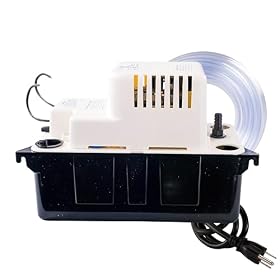
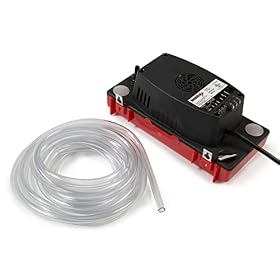
If a condensate pump is used, check its reservoir and intake for standing water or slime.
Clean the pump only as directed in its manual.
Do not create a sealed connection that prevents proper drainage or causes wastewater to back up into the dehumidifier. If the hose is cracked, permanently clogged, or too short to maintain a downward slope, replacement is usually more practical than trying to flush it repeatedly.
Product prices and availability are accurate as of the date/time indicated and are subject to change. Any price and availability information displayed on Amazon.com at the time of purchase will apply to the purchase of this product.
5. Inspect accessible seals and the area around the unit
Look for water under the dehumidifier, around the bucket, and near the drain connection. A loose bucket, damaged gasket, or leaking hose can leave moisture where it should not be.
Also inspect the floor and wall behind the unit. The dehumidifier may be removing moisture from the room while a nearby damp carpet, wet foundation wall, plumbing leak, or floor drain supplies the musty smell.
Keep the unit level on a solid surface, with the clearance required by the manufacturer. Restricted airflow can increase condensation inside the cabinet and make drying less effective.
6. Clean only the accessible air path and coils
Dust on the intake grille or accessible coil surface can trap moisture and contribute to odors. With the unit unplugged, remove loose dust using a soft brush or a vacuum brush attachment.
Do not bend the delicate coil fins, spray water into the controls or motor, or pour cleaner into the cabinet. Many dehumidifiers are not designed for user access to the internal drain pan or evaporator coil. Follow the manual for approved cleaning methods.
If you can see mold or heavy buildup behind a grille that cannot be removed safely, do not disassemble the appliance unless the manufacturer provides that procedure. A qualified appliance technician can clean or inspect sealed areas without creating an electrical or refrigerant hazard.
7. Reassemble it correctly and let it dry
After cleaning, reinstall the dry filter, bucket, and drain hose. Run the unit in a dry, ventilated area while monitoring it for leaks and unusual noises. Avoid directing the exhaust toward a wall or placing the unit where its discharge is blocked.
If the smell improves but returns, repeat the inspection of the filter, bucket, hose, and nearby surfaces. Recurring odor often means water is still trapped somewhere rather than simply indicating that the room is humid.
When should you replace the dehumidifier?
Replacement may be reasonable when:
The odor persists after the filter, bucket, hose, and accessible surfaces are cleaned.
Mold or sludge is visible inside a sealed cabinet area.
The unit leaks, repeatedly freezes, or cannot maintain normal airflow.
The fan or compressor produces a burning smell, trips the circuit, or makes a new electrical noise.
Replacement filters, buckets, or drain parts are no longer available.
A musty smell alone does not automatically mean the unit is unsafe or beyond repair. However, do not keep operating it if it shows signs of electrical damage, overheats, trips a breaker repeatedly, or has a damaged power cord. For refrigerant-system repairs or internal electrical work, use a qualified appliance technician.
Preventing the smell from returning
Empty and wash the bucket regularly if you are not using continuous drainage.
Keep the filter clean according to the owner's manual.
Inspect the drain hose and pump periodically for standing water.
Keep the intake and exhaust clear.
After use, follow the manual's instructions for allowing the unit to dry.
Address nearby leaks, wet carpeting, and basement seepage instead of relying on the dehumidifier alone.
If the room itself has a strong mold odor or visible mold growth, address the building moisture problem and follow appropriate mold-remediation guidance. A dehumidifier can reduce humidity but cannot remove mold from walls, flooring, or furnishings.
FAQ
Why does my dehumidifier smell musty when it runs?
The most common causes are a dirty filter, stagnant water in the bucket or drain hose, moisture trapped inside the cabinet, or a damp surface near the unit. Unplug the unit and clean the filter, bucket, drain path, and accessible grilles first.
Can I clean a musty dehumidifier with bleach?
Do not use bleach unless the manufacturer specifically allows it. Mild dish soap and water are generally safer for the removable bucket and washable filter. Keep liquids away from controls, motors, and electrical parts.
Why does the smell return after I clean the dehumidifier?
Water may still be trapped in the drain hose, pump, internal pan, or sealed cabinet area. A nearby wet wall, carpet, floor drain, or plumbing leak can also be the source. Persistent internal buildup may require professional service or replacement.
Is a musty-smelling dehumidifier dangerous?
A musty odor usually indicates moisture or organic buildup, but stop using the unit if you notice burning, melted plastic, overheating, repeated breaker trips, a damaged cord, or unusual electrical noise. Have those problems checked by a qualified professional.