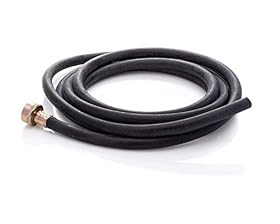
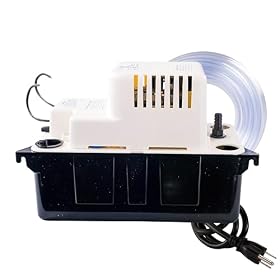
Dehumidifier with a Drain Hose for Unfinished Basement
A basement dehumidifier with continuous drainage can control moisture without frequent bucket emptying, but the setup must match your floor drain, hose route, and elevation. Here is what to look for and how to avoid common drainage problems.
Dehumidifier with a drain hose for unfinished basement
For an unfinished basement, choose a dehumidifier that supports continuous drainage and place it close enough to a suitable floor drain, sump basin, condensate pump, or other approved drain point. A gravity-drain setup is usually the simplest option, but it only works when the drain connection is lower than the dehumidifier outlet. If the water must travel uphill, you will need a model with an integrated pump or a separate condensate pump.
What to look for before buying
Continuous-drain capability
The dehumidifier should have a dedicated drain outlet or hose connection designed for continuous operation. Some units include a drain hose, while others require you to buy one separately. Check the manufacturer’s instructions for the required hose diameter, connector style, and maximum drain distance.
A bucket-only dehumidifier is inconvenient in an unfinished basement because the unit may stop whenever its reservoir fills. A model designed for continuous drainage can send collected water away automatically, provided the hose is installed correctly.
Gravity drain or pump drainage
Your drain layout determines which type of setup you need:
Gravity drainage: Water flows downhill from the dehumidifier into a floor drain, drain pan, sump basin, or nearby outlet. The hose should slope continuously downward without loops or high spots.
Built-in pump: The dehumidifier pushes water upward or across a longer route. This is useful when the nearest drain is higher than the unit or too far away for a practical gravity slope.
Separate condensate pump: A pump can collect water from the dehumidifier and lift it to a higher drain. This may be useful if your preferred dehumidifier does not include a pump, but the pump must be compatible with the water volume and installation arrangement.
Do not assume that a hose connected to the unit will drain uphill. Gravity alone cannot lift condensate over a step, into a raised sink, or up to a higher drain opening.
Hose connection and routing
Confirm the hose connection before purchasing. Important details include the outlet size, whether an adapter is included, and whether the connection requires a threaded fitting, push-on hose, or supplied drain tube. A hose that is too loose can leak; one that is forced onto the wrong fitting can damage the outlet.
For a basement installation, route the hose so it is protected from foot traffic, sharp edges, freezing temperatures, and accidental kinks. Keep the route as short and direct as practical. If the hose runs to a floor drain, secure it so the end cannot move out of the drain when water begins flowing.
Capacity and basement conditions
Basements with visible dampness, condensation, poor ventilation, or recent water intrusion generally place a heavier load on a dehumidifier than an occasionally humid room. A unit that is too small may run continuously without bringing humidity under control.
Look at the manufacturer’s capacity guidance for the room size and moisture conditions, not just the square footage alone. An unfinished basement may need a larger capacity than a finished room of the same size if it has exposed masonry, a dirt floor, poor air sealing, or ongoing moisture entry.
A dehumidifier cannot correct active flooding, plumbing leaks, groundwater intrusion, or a failed foundation drainage system. Address those problems first or alongside dehumidifier use.
Best drain locations in an unfinished basement
A floor drain is usually the easiest destination for a gravity hose. Keep the dehumidifier on a stable, level surface close enough for the hose to maintain a downward slope.
A sump basin may also work, but keep the hose secured and positioned so it cannot interfere with the sump pump or become trapped under the cover. Follow local electrical and plumbing requirements, especially in areas where water and electrical equipment are close together.
If the only practical destination is a utility sink, laundry drain, or standpipe above the dehumidifier, use a built-in or separate condensate pump rated for that arrangement. Do not improvise by draping a hose over a ledge and relying on the dehumidifier’s normal gravity outlet.
Product prices and availability are accurate as of the date/time indicated and are subject to change. Any price and availability information displayed on Amazon.com at the time of purchase will apply to the purchase of this product.
How to set up the dehumidifier
Choose a stable location. Leave the clearance specified by the manufacturer around the air intake and exhaust. Avoid placing the unit where it could be splashed or where a leak would damage electrical equipment.
Check the drain outlet. Remove any plug, cap, or bucket drain fitting required for continuous drainage, following the instructions for the specific unit.
Attach the correct hose. Use the specified hose size and connector. Tighten threaded fittings by hand unless the instructions say otherwise; overtightening can damage plastic threads.
Create a continuous downward path. For gravity drainage, the hose should not rise above the outlet before descending to the drain.
Secure the hose end. Make sure it cannot pull out, kink, or discharge onto the basement floor.
Check the electrical setup. Use a properly grounded outlet and follow the manufacturer’s guidance about extension cords. Avoid placing electrical connections where a leak could reach them.
Run and inspect the unit. After operation begins, check the hose, connection, and drain destination for leaks. Confirm that water is reaching the drain rather than filling the bucket.
Set the humidity target according to the manufacturer’s recommendations and the needs of the space. A lower setting is not always better; excessive drying can waste energy and may not solve the source of basement moisture.
Product prices and availability are accurate as of the date/time indicated and are subject to change. Any price and availability information displayed on Amazon.com at the time of purchase will apply to the purchase of this product.
Common drainage problems
The hose is connected, but the bucket still fills
First, turn the unit off and disconnect power before inspecting the drain connection. Then check that:
The drain plug or cap was removed as required.
The hose is fully seated on the outlet.
The hose is not kinked or blocked.
The hose end is lower than the dehumidifier outlet for gravity drainage.
The hose is not routed uphill before reaching the drain.
The unit’s continuous-drain setting, if one exists, is enabled.
Some designs continue using the bucket if the hose connection is not installed exactly as described in the manual.
Water leaks at the connection
A loose or mismatched hose is the most common cause. Inspect the outlet for cracked plastic, damaged threads, or a missing gasket. Use only an adapter or hose type approved for the unit. Do not rely on tape or sealant to compensate for an incompatible fitting unless the manufacturer specifically permits it.
Water reaches the floor drain slowly or not at all
Look for a low spot, kink, clogged hose, or section that rises above the outlet. Clean or replace the hose if it contains buildup. Also check whether the floor drain itself is blocked. If the drain is higher than the dehumidifier, change to a pump-based arrangement rather than trying to force gravity drainage.
A pump setup runs but does not discharge water
Check the pump’s power, discharge hose, check valve direction, and maximum lift or distance specified by the manufacturer. Make sure the collection reservoir or float can move freely and that the discharge line is not blocked. Disconnect power before opening or cleaning the pump.
The dehumidifier stops unexpectedly
A full bucket, blocked filter, frozen coil, high-temperature protection, or electrical problem can cause shutdown. Clean the air filter as directed and make sure the room temperature is within the unit’s operating range. If the outlet, cord, or plug becomes hot, smells burned, sparks, or repeatedly trips a breaker, stop using the unit and have the electrical issue evaluated by a qualified professional.
Product prices and availability are accurate as of the date/time indicated and are subject to change. Any price and availability information displayed on Amazon.com at the time of purchase will apply to the purchase of this product.
When to buy a pump or replace the unit
Buy a separate condensate pump when the available drain is higher than the dehumidifier, the hose must travel a significant distance, or gravity drainage cannot maintain a downhill route. Match the pump to the dehumidifier’s condensate output and the required lift and distance.
Replace the drain hose when it is brittle, permanently kinked, cracked, or no longer fits securely. Replace a damaged connector or gasket rather than trying to stop a persistent leak with makeshift materials.
A replacement dehumidifier may be reasonable when the unit has a failed drain outlet, recurring electrical faults, severe corrosion, or a pump that is no longer reliable and not economically repairable. If the basement remains wet despite continuous operation, investigate water intrusion, ventilation, insulation, and drainage problems instead of simply buying a larger unit.
FAQ
Can any dehumidifier use a drain hose?
No. The unit needs a continuous-drain outlet or another manufacturer-approved method for connecting a hose. Check the manual for the required hose size and fitting before buying accessories.
Does a basement dehumidifier need a pump?
Only if the water must move uphill or cannot follow a continuous downward path to the drain. A nearby floor drain below the unit can usually use gravity drainage.
Where should I drain a basement dehumidifier?
Common destinations include a floor drain, sump basin, utility sink, or other approved drain point. Secure the hose and make sure the destination can accept continuous condensate flow.
Why does my dehumidifier fill the bucket even with a hose attached?
The drain plug may still be installed, the hose may be blocked or kinked, the connection may be loose, or the hose may not slope downward. Some units also require a specific continuous-drain setup described in the manual.