If your dehumidifier is not draining through the hose, the usual causes are a clogged filter or hose, an incorrect gravity-drain setup, a blocked drain port, or a hose that must run uphill. Follow these checks in order before replacing the unit.
Dehumidifier not draining through the hose
If your dehumidifier is not draining through the hose, first check the filter, hose routing, drain connection, and drain port. Most units rely on gravity, so the hose must slope continuously downward to a suitable drain. A clogged filter, loose connection, uphill section, blocked outlet, or full bucket can stop drainage even when the dehumidifier is collecting water.
Unplug the unit before removing the hose, opening the drain area, or cleaning inside the housing. Follow the manufacturer’s instructions for your specific model.
1. Check the filter first
A dirty air filter reduces airflow and can cause the evaporator coil to ice up. When that happens, the unit may collect little water or drain inconsistently.
Turn the dehumidifier off and unplug it.
Remove the filter according to the manual.
Vacuum loose dust or wash the filter only if the manufacturer says it is washable.
Let a washable filter dry completely before reinstalling it.
Restart the unit and allow time for the coil to thaw if it was iced over.
Replace a filter that is damaged, misshapen, or impossible to clean. Do not operate the dehumidifier without a required filter.
2. Inspect the hose for clogs and kinks
Disconnect the hose and look through it. Dust, algae, mineral deposits, or a kink can restrict condensate flow. A hose that is too narrow for the drain connection may also leak or drain poorly.
Check for:
Sharp bends behind the unit
Crushed sections under furniture or against a wall
Debris inside the hose
A loose, split, or swollen end
A hose that is too long and sags into loops
Flush or clean the hose if the manufacturer permits it, then reconnect it firmly. Replace it if it is brittle, cracked, permanently kinked, or clogged with buildup that will not clear.
Product prices and availability are accurate as of the date/time indicated and are subject to change. Any price and availability information displayed on Amazon.com at the time of purchase will apply to the purchase of this product.
3. Confirm the drain port is open
Many portable dehumidifiers have a removable drain-port plug or cap. If the plug is still installed, water cannot flow into a continuously attached hose. Some models also use a short adapter that must be installed before the hose.
With the unit unplugged:
Remove the bucket if required by the manual.
Locate the continuous-drain outlet on the back or side.
Confirm the correct plug or cap has been removed.
Check that the hose adapter and gasket are seated correctly.
Tighten the connection by hand without forcing plastic threads.
Keep any removed plug in a safe place. The unit may need it installed when you use the bucket instead of continuous drainage.
Product prices and availability are accurate as of the date/time indicated and are subject to change. Any price and availability information displayed on Amazon.com at the time of purchase will apply to the purchase of this product.
4. Make sure the hose slopes downward
A standard gravity drain cannot push water uphill. Route the hose from the dehumidifier to a floor drain, sink, standpipe, or other approved drain with a continuous downward slope. Avoid loops, high spots, and sections that rise before reaching the drain.
The hose end should not sit underwater or be inserted so deeply that the drain backs up into it. Secure the hose so it cannot move, but do not pinch or tightly bend it.
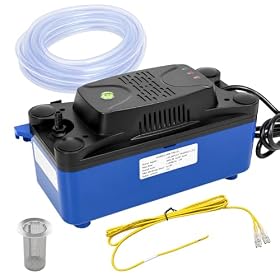
If the only available drain is higher than the dehumidifier outlet, use a compatible condensate pump instead of relying on gravity. Follow the pump and dehumidifier manufacturers’ installation instructions.
Product prices and availability are accurate as of the date/time indicated and are subject to change. Any price and availability information displayed on Amazon.com at the time of purchase will apply to the purchase of this product.
5. Check for leaks at the connection
A loose connection can let water escape near the unit instead of traveling through the hose. Inspect the drain outlet, adapter, hose end, and any gasket or O-ring.
Look for water around:
The hose connection at the dehumidifier
The drain outlet or adapter
The floor beneath the unit
Cracks in the bucket or bucket seal
Replace a missing or damaged gasket with the correct part. Do not depend on tape or sealant if it prevents the adapter from seating properly. If the drain port or housing is cracked, stop using the continuous-drain feature until the part is repaired or replaced.
6. Check the bucket and float switch
Some dehumidifiers will not run correctly unless the collection bucket is fully inserted, even when a hose is attached. A full bucket, misaligned bucket, or stuck float can stop the unit or trigger a full-bucket warning.
Remove and reinstall the bucket firmly. Check that the float moves freely and is not blocked by dirt or a loose component. Never bypass or permanently disable the bucket safety switch.
If the unit fills the bucket but does not drain through the hose, the problem is probably in the hose, drain port, routing, or pump rather than the water-collection system itself.
7. Check the operating conditions
A dehumidifier may produce little water when the room is cool, already dry, or below the unit’s operating-temperature range. It may also pause during automatic defrost. These conditions can look like a drainage problem because there is little or no water reaching the hose.
Place the unit on a stable, level surface with adequate clearance around its air intake and outlet. Set the humidity target low enough for the unit to call for dehumidification, but do not expect continuous water flow in a dry room.
8. If you are using a pump
A condensate pump is needed when the drain is elevated or too far away for gravity drainage. Check that:
The pump reservoir is level and properly positioned.
The hose is connected to the pump outlet, not the dehumidifier’s gravity-drain outlet.
The discharge hose is not kinked or blocked.
The pump’s float can move freely.
The pump has power and its safety switch is not stopping the dehumidifier.
Unplug the pump before clearing a blockage. Do not connect a pump or hose arrangement that is not approved for the dehumidifier or pump. If the pump runs but cannot move water, replace it when cleaning the hose and reservoir does not correct the problem.
9. When the dehumidifier itself may be faulty
The unit may need service when the filter is clean, the hose and drain port are clear, the setup is correct, and the dehumidifier still will not drain. Possible internal faults include a blocked internal passage, failed drain valve, defective float sensor, damaged pump, or control-board problem.
Stop using the unit and seek qualified service if you notice burning smells, melted wiring, repeated electrical trips, unusual buzzing, or water reaching electrical components. Do not open the sealed refrigeration system or attempt electrical repairs unless you are qualified to do so.
A replacement unit is usually more practical when the dehumidifier is older, has multiple failures, has a cracked housing, or needs a major repair that approaches the cost of a suitable replacement. Use the manufacturer’s drain-hose specifications and installation guidance when selecting parts.
FAQ
Why does my dehumidifier fill the bucket but not drain through the hose?
Check that the continuous-drain plug has been removed, the hose adapter is installed correctly, and the hose slopes continuously downward. Also inspect the hose for clogs or kinks and make sure the bucket is fully seated so the safety switch allows the unit to operate.
Can a dehumidifier drain uphill through a hose?
Not with gravity alone. A standard hose needs a continuous downward slope. If the drain is higher than the dehumidifier outlet, use a compatible condensate pump installed according to the manufacturer’s instructions.
How do I clear a dehumidifier drain hose?
Unplug the unit, disconnect the hose, and inspect it for kinks or visible debris. Clean or flush it only as allowed by the manufacturer, then reconnect it without loops or sharp bends. Replace a hose that is cracked, permanently kinked, or still blocked.
Why is water leaking around the dehumidifier hose connection?
The hose may be loose, the adapter may be incorrectly installed, or a gasket or O-ring may be missing or damaged. Reseat the connection and replace the correct sealing part if necessary. A cracked drain outlet requires repair or replacement rather than sealant alone.