Dehumidifier for a Tiny Home: How to Choose the Right Size
A tiny home needs a dehumidifier that controls moisture without taking up valuable floor space. Learn how to choose the right capacity, drainage method, noise level, and placement.
Dehumidifier for a tiny home
The best dehumidifier for a tiny home is compact, quiet, easy to drain, and sized for the space rather than simply chosen by the smallest dimensions. Tiny homes can develop moisture quickly because cooking, showers, laundry, and breathing add humidity to a relatively small interior. Choose a unit with automatic humidity control, a continuous-drain option if possible, and enough capacity for the home's dampest conditions.
What to look for in a tiny-home dehumidifier
1. A suitable moisture-removal capacity
Dehumidifiers are commonly described by how many pints of water they can remove in 24 hours under specified test conditions. That number is useful for comparing units, but actual performance depends on temperature, humidity, ventilation, and the size of the space.
For a tiny home, consider:
A small-capacity unit for a relatively dry, well-ventilated home with occasional condensation.
A medium-capacity unit for regular cooking, showering, drying clothes indoors, or noticeable window condensation.
A larger unit for a basement-style tiny home, persistent dampness, leaks, or a home located in a very humid climate.
Do not choose solely by the home's square footage. A compact tiny home with poor ventilation or several moisture sources may need more dehumidifying capacity than a larger, well-ventilated space.
If the home is cold, check the manufacturer's operating-temperature range. Many compressor-style dehumidifiers collect less water in cool conditions and may enter a defrost cycle. A desiccant-style unit can be worth considering for consistently cold spaces, although it may use more electricity or add more heat to the room.
2. Quiet operation
Noise matters more in a tiny home because the dehumidifier may operate near the bed, seating area, or workspace. Look for a published sound rating, usually given in decibels, and compare ratings only when manufacturers use similar test conditions.
Useful features include:
A low or sleep mode
Adjustable fan speeds
A timer or scheduling function
Automatic restart after a power interruption
Vibration-reducing feet
A lower sound rating does not guarantee silence. Compressor cycling, fan speed, and the surface beneath the unit also affect perceived noise.
3. Continuous drainage
Emptying a small water bucket can become inconvenient if the unit runs frequently. A continuous-drain connection lets water flow through a hose into an approved drain, floor drain, sink, or collection container.
Before buying, confirm:
The unit has a continuous-drain outlet.
The hose connection size matches the manufacturer's instructions.
The drain can be positioned lower than the outlet if the system relies on gravity.
The hose will not kink or run uphill.
The destination can safely handle continuous water flow.
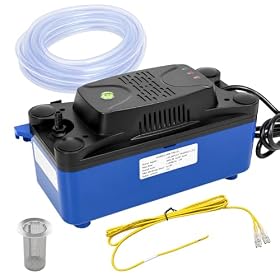
Some tiny homes do not have a convenient floor drain. In that case, a built-in or external condensate pump may be necessary. Use only a pump and hose arrangement that is compatible with the dehumidifier, and follow the installation instructions carefully.
4. A manageable footprint
Measure the intended location, including clearance around the intake and exhaust. Do not place the unit tightly against a wall, cabinet, curtain, or furniture if the manual requires open airflow.
A physically small unit is not always the best choice. If it has a very small bucket or insufficient capacity, it may run constantly and require frequent emptying. Compare the complete dimensions, bucket access, cord length, and required airflow clearance—not just the front-facing width.
5. Automatic humidity control
A built-in humidistat allows the dehumidifier to turn on and off around a selected relative-humidity level. This is more practical than running the unit continuously, especially in a small home where over-drying can waste energy and cause discomfort.
A general target is often around 30% to 50% relative humidity, but the appropriate setting depends on comfort, condensation, the building materials, and the manufacturer's guidance. If windows continue to collect water, lower the setting gradually and investigate ventilation or insulation problems rather than relying on the dehumidifier alone.
Compressor or desiccant dehumidifier?
Compressor models
Compressor, or refrigerant, dehumidifiers are common for normally heated tiny homes. They can be efficient in moderate-to-warm conditions and are often available in a range of capacities.
They may be less effective in cold rooms and can produce compressor and fan noise. Leave the required clearance around the unit, and do not operate it in conditions outside the manufacturer's specified range.
Desiccant models
Desiccant dehumidifiers use an absorbent material rather than a refrigeration coil. They can perform better in colder spaces and may be useful in an unheated tiny home, workshop-style space, or cool storage area.
Tradeoffs can include higher energy consumption, additional heat output, and different capacity ratings that are not directly comparable with compressor models. Select one based on the actual room temperature and the manufacturer's stated operating conditions.
Product prices and availability are accurate as of the date/time indicated and are subject to change. Any price and availability information displayed on Amazon.com at the time of purchase will apply to the purchase of this product.
Where to place the dehumidifier
Place the unit in a central, open area where air can circulate through the home. If one area is clearly dampest, such as near a bathroom or sleeping loft, position it so it can draw air from that zone without blocking doors or walkways.
Keep these points in mind:
Place the unit on a level, stable, water-resistant surface.
Keep it away from splashing water unless it is specifically rated for that environment.
Do not cover the intake or exhaust.
Keep the power cord away from wet areas and walking paths.
Do not use an extension cord unless the manufacturer explicitly permits it and the cord is properly rated.
Avoid placing it directly beside a heat source.
A bathroom exhaust fan should still be used during and after showers when available. A dehumidifier controls moisture after it enters the air; it does not replace proper ventilation, leak repairs, or weatherproofing.
Product prices and availability are accurate as of the date/time indicated and are subject to change. Any price and availability information displayed on Amazon.com at the time of purchase will apply to the purchase of this product.
How to estimate the right setup
Start with the home's usual conditions:
Estimate the living area, but also note ceiling height and whether the loft, bathroom, or kitchen is open to the main room.
Identify moisture sources such as showers, cooking, indoor laundry, wet clothing, plants, crawl spaces, and unsealed floors.
Check whether the home is heated year-round or becomes cold when unoccupied.
Decide whether you will empty a bucket or install a hose and pump.
Compare the manufacturer's capacity guidance for damp, very damp, or wet conditions.
If the home has persistent dampness, a larger unit may be more practical than the smallest compact model. If the issue is occasional condensation in a small, heated space, a compact unit with a humidistat may be sufficient.
Common mistakes to avoid
Buying by dimensions alone: A small cabinet may have limited capacity and a small bucket.
Ignoring drainage: A unit that fills overnight is not convenient if nobody can empty it.
Using a gravity hose incorrectly: Water will not reliably flow uphill without a pump.
Blocking airflow: Tight placement can reduce performance and cause overheating or shutdowns.
Running continuously without checking humidity: This can waste energy and make the space uncomfortably dry.
Treating mold without fixing moisture: Clean visible growth safely, but address leaks, condensation, and ventilation problems at the source.
When to choose a different solution
A dehumidifier is not the right first fix for an active plumbing leak, roof leak, flooding, or water entering through the foundation. Repair the moisture source before selecting equipment.
If the tiny home develops condensation despite reasonable dehumidifier operation, inspect ventilation, window insulation, air leaks, and cold surfaces. A hygrometer can help confirm whether the problem is high overall humidity or localized condensation.
For a unit that repeatedly trips a breaker, smells hot or burnt, shows damaged wiring, leaks refrigerant, or makes an unusual electrical noise, unplug it if safe and stop using it. Follow the manufacturer's service guidance and contact a qualified appliance technician or electrician when needed.
Bottom line
Choose a dehumidifier for a tiny home based on moisture conditions, operating temperature, noise, drainage, and airflow clearance—not just the smallest available size. For most heated tiny homes, a compact or medium-capacity compressor model with automatic humidity control and continuous-drain capability is a practical starting point. For cold spaces, compare desiccant models and cold-temperature operating specifications.
FAQ
What size dehumidifier is best for a tiny home?
The correct size depends on humidity, temperature, ventilation, and moisture sources as well as floor area. A compact unit may work in a dry, heated tiny home, while a medium-capacity unit is more suitable for frequent showers, cooking, indoor laundry, condensation, or a very humid climate. Use the manufacturer's sizing guidance for damp or wet conditions.
Should a tiny-home dehumidifier have a hose drain?
A hose drain is useful if the dehumidifier will run often. Gravity drainage works only when the hose can run continuously downhill to a suitable drain. If no lower drain is available, use a compatible condensate pump or empty the bucket manually.
Are dehumidifiers noisy in a tiny home?
They can be noticeable because the unit may operate close to sleeping or working areas. Compare published decibel ratings, and look for low, sleep, or adjustable fan modes. Placement on a stable surface with clear airflow can also reduce vibration and noise.
Is a compressor or desiccant dehumidifier better for a tiny home?
Compressor models are common for normally heated tiny homes and moderate-to-warm conditions. Desiccant models can be more suitable for consistently cold spaces, but they may use more electricity and add heat. Choose according to the home's lowest operating temperature and the manufacturer's specifications.
Can a dehumidifier replace bathroom ventilation?
No. A dehumidifier removes moisture from room air, but bathroom exhaust ventilation helps remove steam at the source. Use an exhaust fan when available and repair leaks or improve ventilation if humidity remains high.