The best garage dehumidifier is sized for the space and built to handle cooler temperatures, dust, and continuous drainage. Here is what to look for before buying.
A garage usually needs a different dehumidifier than a bedroom or living room. The best dehumidifier for a garage should have enough capacity for the space, operate reliably in cooler temperatures, resist dust-related problems, and support continuous drainage if you do not want to empty a bucket repeatedly.
What makes a dehumidifier good for a garage?
Look for these features first:
A suitable pint capacity: Larger or damper garages need more moisture-removal capacity.
Low-temperature operation: Garages can be much cooler than living spaces, especially in winter.
Automatic defrost: This helps prevent frost from building up on the coils in cool conditions.
Continuous drain capability: A hose connection is useful when a floor drain or suitable drain point is nearby.
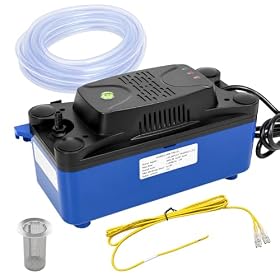
A built-in pump, when needed: A pump can move condensate upward or to a remote drain.
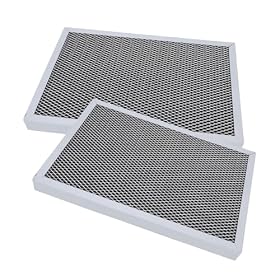
A washable or replaceable air filter: Garages often contain more dust, sawdust, and airborne debris than finished rooms.
An adjustable humidistat: This lets the unit cycle on and off around a target relative humidity rather than running constantly.
An operating temperature range that matches your garage: Check the manufacturer’s specifications before buying.
A unit designed mainly for warm indoor rooms may still remove moisture in a garage, but its performance can drop as the temperature falls. In cool conditions, moisture may freeze on the evaporator coil, causing the unit to pause for defrosting or collect less water.
Choose the right capacity
Manufacturers generally describe dehumidifier capacity in pints of moisture removed per day. The correct capacity depends on more than floor area. A dry, enclosed garage needs less capacity than a damp garage with water intrusion, poor ventilation, wet vehicles, or an unsealed concrete floor.
As a general starting point:
Small, mostly dry garage: A smaller residential unit may be sufficient if the space is enclosed and moisture is limited.
Average garage with noticeable dampness: Choose a higher-capacity residential unit with continuous-drain support.
Very damp, cold, or frequently wet garage: Consider a unit specifically rated for low-temperature use or a whole-space dehumidification solution.
Garage with persistent water entry: Fix the source of the moisture first. A dehumidifier can control humidity but cannot replace drainage, waterproofing, or plumbing repairs.
Capacity ratings are normally measured under particular temperature and humidity conditions. A unit’s stated daily capacity can be lower in a cold garage, so do not compare the number in isolation. Low-temperature performance and the manufacturer’s recommended room size may matter more than the headline capacity.
Product prices and availability are accurate as of the date/time indicated and are subject to change. Any price and availability information displayed on Amazon.com at the time of purchase will apply to the purchase of this product.
Important features for garage use
Low-temperature operation and auto defrost
This is one of the most important garage-specific features. Check the minimum operating temperature in the product specifications. If the garage regularly becomes cool, choose a model designed for that environment and equipped with automatic defrost.
Auto defrost does not make every dehumidifier suitable for freezing conditions. It simply helps manage frost within the temperature range the manufacturer supports. Do not operate a standard residential unit outside its specified range.
Continuous drainage
A bucket can fill quickly in a damp garage. A model with a gravity-drain outlet can run continuously if the hose slopes downward to an appropriate drain.
Before buying, check:
Whether the unit includes a drain hose or only a hose connection.
The connection size and hose requirements.
Whether the hose must run downhill for gravity drainage.
Whether the drain location is lower than the outlet.
Whether the garage drain is suitable and free-flowing.
If the only available drain is higher than the dehumidifier, a compatible condensate pump may be necessary. Follow the dehumidifier and pump instructions, and protect electrical connections from standing water.
Built-in pump
A built-in pump is useful when condensate must travel upward or across the garage to reach a drain. It adds convenience but also adds a pump mechanism that may need cleaning or replacement.
A pump is not necessary when the dehumidifier can sit safely above a nearby floor drain and the hose can maintain a continuous downward slope.
Filter access and maintenance
Garage air can contain dust, drywall particles, sawdust, and vehicle exhaust residue. A clogged filter restricts airflow and can reduce moisture removal. Look for a filter that is easy to remove and clean according to the manufacturer’s instructions.
Avoid placing the unit directly beside active sanding, cutting, painting, or other dusty work. A dehumidifier is not an air cleaner, and heavy particulate exposure can shorten the life of its fan and coils.
Humidity controls
An adjustable humidistat is more useful than a simple always-on setting. For many garages, a moderate humidity target helps limit condensation and musty odors without forcing the unit to run continuously.
Do not set the humidity unnecessarily low. Excessively dry conditions can waste electricity and may affect stored wood, finishes, or other materials. The appropriate target depends on the garage, stored items, climate, and condensation problems.
Product prices and availability are accurate as of the date/time indicated and are subject to change. Any price and availability information displayed on Amazon.com at the time of purchase will apply to the purchase of this product.
Best garage dehumidifier setup
Placement affects performance as much as the unit itself.
Put the dehumidifier on a level, stable surface.
Leave the clearance specified by the manufacturer around the air intake and exhaust.
Keep it away from direct rain, leaks, sprinklers, and vehicle splash.
Do not block the air outlet with boxes or stored materials.
Close garage doors and windows when practical if outdoor air is humid.
Route a drain hose so it cannot kink, detach, or create a trip hazard.
Use a properly grounded outlet and avoid unsafe extension-cord arrangements.
If the garage is unheated, monitor the temperature before leaving a residential dehumidifier running unattended. Some units may stop, frost, or operate inefficiently in cold conditions.
Product prices and availability are accurate as of the date/time indicated and are subject to change. Any price and availability information displayed on Amazon.com at the time of purchase will apply to the purchase of this product.
Garage dehumidifier vs. whole-home or commercial unit
A portable residential dehumidifier is usually the simplest choice for an attached garage or a modest enclosed space. It is easier to move and typically uses a standard household outlet.
A whole-home or crawl-space-style unit may make more sense when the garage is large, persistently damp, poorly insulated, or connected to broader moisture problems. These systems can offer different ducting and drainage options but may require more involved installation.
A commercial or restoration-grade unit may be appropriate after flooding or during professional drying work. It is generally unnecessary for ordinary seasonal humidity control unless the space has unusually demanding conditions.
When a dehumidifier will not solve the problem
A dehumidifier is not the right first fix for:
Active roof, wall, plumbing, or foundation leaks
Standing water or flooding
Condensation caused by uninsulated cold surfaces
Open doors and windows constantly bringing in humid air
Exhaust or combustion ventilation problems
Mold growth that requires professional remediation
Repair water entry and improve drainage or ventilation where appropriate. If the garage has fuel-burning equipment, do not use a dehumidifier as a substitute for required combustion-air or exhaust arrangements. Consult a qualified professional for electrical, structural, plumbing, or fuel-burning-appliance concerns.
How to choose quickly
For most enclosed garages, prioritize features in this order:
Correct capacity for the garage’s size and moisture level
Manufacturer-approved low-temperature operation
Automatic defrost for cool conditions
Continuous drainage or a compatible pump
Easy filter cleaning
An adjustable humidistat and automatic restart, if useful for your setup
The best choice is not necessarily the unit with the largest pint rating. A properly sized model that can operate in the garage’s real temperature range and drain safely will usually be more practical than a higher-capacity model designed only for warm rooms.
When to replace rather than repair
Consider a replacement when the dehumidifier is old, repeatedly freezes despite suitable room conditions, leaks from the cabinet, has a failed control board, or needs a sealed-system repair. Refrigerant-system repairs and electrical repairs should be handled by qualified service personnel.
A replacement filter, hose, bucket, or condensate pump may be reasonable when the main unit still runs correctly and the problem is limited to that part. Match replacement parts to the exact model and follow the manufacturer’s instructions.
FAQ
What size dehumidifier is best for a garage?
Choose capacity based on the garage’s floor area, humidity level, temperature, and moisture sources. A damp or leaky garage needs more capacity than a dry enclosed one, and the stated pint rating may fall in cool conditions.
Can I use a regular home dehumidifier in a garage?
You can use one only if its operating temperature range matches the garage. For a cool garage, choose a model with low-temperature capability and automatic defrost rather than assuming any residential unit will work reliably.
Should a garage dehumidifier drain continuously?
Continuous drainage is usually more convenient in a damp garage. Gravity drainage works when the hose can slope down to a suitable drain; otherwise, a compatible condensate pump may be needed.
What humidity should I maintain in a garage?
Use the manufacturer’s guidance and adjust based on condensation, stored materials, and climate. A moderate humidity setting is generally more practical than trying to make the garage exceptionally dry.
Why does my garage dehumidifier keep icing up?
Common causes include low room temperature, a dirty filter, blocked airflow, inadequate clearance, or a mechanical fault. Clean the filter, confirm airflow and placement, check the specified operating range, and seek service if icing continues under suitable conditions.