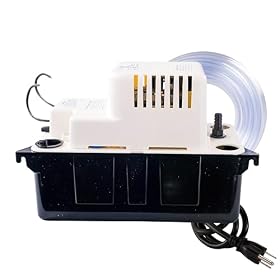
A 50-pint dehumidifier can be a practical choice for a damp garage, but garage temperature, drainage, dust, and the source of moisture matter as much as capacity. Here is how to choose and set one up safely.
50 pint dehumidifier for a damp garage
A 50-pint dehumidifier can work well in a damp garage when the space is moderately to heavily humid and the unit is rated for the garage’s temperature range. Before buying, check more than the pint number: cold-weather performance, automatic defrost, continuous drainage, hose or pump compatibility, filter access, and electrical safety can determine whether the unit actually keeps the garage dry.
Is a 50-pint dehumidifier enough for a garage?
Often, yes. A 50-pint class unit is generally suitable for a medium or large damp area, especially when the garage has condensation, musty odors, or occasional water intrusion rather than constant flooding.
The right size depends on:
Garage size: A larger or connected garage may need more capacity or more than one unit.
Humidity level:Slightly damp spaces need less capacity than garages with visible condensation or persistent wetness.
Temperature: Many standard dehumidifiers remove less water as the air gets cold and may need to defrost.
Air leakage: An open garage door, gaps around the walls, or an unsealed floor continually introduce humid air.
Moisture sources: Leaks, wet vehicles, poor drainage, and groundwater may overwhelm a portable unit.
“50 pint” does not always mean the same amount of water in every listing. Newer U.S. test standards use different conditions from older ratings, so compare the stated test standard and operating conditions when two models appear to have different capacities. Capacity is useful for comparison, but it should not be the only selection criterion.
Features that matter in a garage
Low-temperature operation and automatic defrost
Garages are often colder than living spaces. In cool conditions, moisture can freeze on the evaporator coil, reducing water removal and causing the unit to pause for defrosting. Look for a model whose manual specifically describes operation in the temperature range expected in your garage and includes automatic defrost if required.
Do not assume that a standard basement dehumidifier will perform well in an unheated garage. If the space regularly approaches freezing, a conventional compressor dehumidifier may be a poor fit. Follow the manufacturer’s minimum operating temperature and do not operate the unit below that limit.
Continuous drainage
A bucket can fill quickly in a damp garage. A unit with a continuous-drain connection can send water through a hose to an approved drain, floor drain, or suitable collection point. Check whether the hose must slope downward; many gravity-drain setups will not work if the destination is higher than the outlet.
If gravity drainage is not possible, choose a dehumidifier that is compatible with a condensate pump, or use a separate pump rated for condensate water. Confirm the connection size and the manufacturer’s instructions before buying accessories.
Built-in pump or pump compatibility
A built-in pump can move condensate upward or across the garage when a floor drain is not nearby. It is useful when the hose must rise to a sink, utility drain, or exterior discharge point.
Check the pump’s intended lift and hose requirements rather than assuming any pump will handle the installation. A pump does not correct a blocked hose, improperly seated connection, or drain outlet that cannot safely accept the water.
Filter access and washable filtration
Garages contain more dust, sawdust, dirt, and automotive residue than most indoor rooms. A removable, cleanable filter makes routine maintenance easier and helps protect the coil and fan.
The filter is not a substitute for controlling airborne dust. Keep the unit away from heavy dust-producing work, and avoid placing it where it can draw in wet debris or chemical fumes. Never operate it with the filter removed unless the manufacturer explicitly permits that procedure.
Humidistat and automatic restart
A built-in humidistat lets you set a target relative humidity instead of running the unit continuously. For general moisture control, a setting around 50% to 55% relative humidity is a reasonable starting point, then adjust based on condensation and conditions.
Automatic restart can be useful if the garage loses power while you are away. Verify whether the model resumes its previous settings or merely turns on after power returns. Use the manufacturer’s instructions for programming and operation.
Hose outlet and bucket design
A continuous-drain outlet should be easy to access and secure. The bucket should also have a reliable full indicator or automatic shutoff. A poor hose connection can leak onto the floor even when the dehumidifier itself is working normally.
If you plan to use the bucket, choose a design that is easy to remove and carry without spilling. If the garage is unattended for long periods, continuous drainage is usually more practical than relying on the bucket.
Product prices and availability are accurate as of the date/time indicated and are subject to change. Any price and availability information displayed on Amazon.com at the time of purchase will apply to the purchase of this product.
Where to place the dehumidifier
Place the unit on a level, stable surface with the clearances specified in its manual. Leave unobstructed space around the air intake and discharge; pushing it against a wall, vehicle, storage shelf, or pile of boxes can restrict airflow.
For better results:
Close the garage door and windows when the unit is operating, unless ventilation is required for a specific reason.
Keep the unit away from direct water spray, leaks, and areas where a vehicle may drip onto it.
Route the drain hose so it cannot kink, become pinched, or create a trip hazard.
Keep it away from flammable vapors, paint fumes, gasoline, solvents, and other combustible or corrosive materials.
Do not use an extension cord unless the manufacturer specifically permits it and the cord is properly rated.
A dehumidifier does not make a garage waterproof. Repair roof, wall, plumbing, foundation, or drainage problems first when water is entering in significant amounts.
Product prices and availability are accurate as of the date/time indicated and are subject to change. Any price and availability information displayed on Amazon.com at the time of purchase will apply to the purchase of this product.
How to set up a 50-pint dehumidifier
Inspect the space. Look for leaks, standing water, condensation, wet materials, and blocked vents.
Read the operating limits. Confirm that the expected garage temperature is within the manufacturer’s approved range.
Position the unit. Provide the required clearance and keep it level.
Choose drainage. Use the bucket for occasional use, gravity drainage where the hose can slope downward, or a compatible pump when water must be lifted.
Set the humidity target. Start near 50% to 55% relative humidity and monitor the result.
Check the first drainage cycle. Look for leaks at the hose connection and confirm that water reaches the intended drain.
Clean the filter regularly. A dusty garage may require more frequent cleaning than a finished basement.
Use a separate hygrometer if you want to compare humidity at different locations in the garage. The reading on the dehumidifier may differ from the humidity near the floor, garage door, or a damp wall.
Product prices and availability are accurate as of the date/time indicated and are subject to change. Any price and availability information displayed on Amazon.com at the time of purchase will apply to the purchase of this product.
When a 50-pint unit is not the right solution
A larger dehumidifier or additional moisture-control work may be needed when:
The garage is substantially larger than the area covered by the unit.
Water enters after rain or snow.
The concrete floor or walls remain visibly wet.
Humidity returns quickly whenever the garage door opens.
The unit runs continuously without moving the humidity toward its target.
Temperatures are too low for the selected compressor model.
For an unheated garage that stays very cold, investigate models specifically designed for low-temperature use. If the garage has severe water intrusion, improve drainage, sealing, grading, gutters, or waterproofing rather than trying to solve the problem with a portable appliance alone.
Electrical and garage safety
Use a properly grounded outlet and follow the electrical requirements in the manual. Keep plugs and connections away from water. Do not use a damaged cord, bypass a ground pin, or connect the unit to an overloaded circuit.
If the garage has no suitable grounded receptacle, frequent breaker trips, wet electrical equipment, or signs of damaged wiring, stop and have the installation evaluated by a qualified electrician. The dehumidifier manufacturer’s instructions take priority over general setup advice.
Bottom line
Choose a 50-pint dehumidifier for a garage when its capacity matches the space and moisture level, its temperature rating suits the environment, and you have a safe plan for draining condensate. For most garage installations, low-temperature operation, automatic defrost, continuous drainage, accessible filtration, and safe electrical placement are more important than chasing the largest advertised pint number.
FAQ
Can I use a 50-pint dehumidifier in an unheated garage?
You can if the model is rated for the garage’s lowest temperature. Cold air reduces the performance of many compressor dehumidifiers and can cause coil frost, so check the manufacturer’s operating range and defrost requirements before purchase.
Should I run a dehumidifier in a garage all the time?
Not necessarily. Use the humidistat to maintain a target humidity, commonly starting around 50% to 55%. Continuous operation may be appropriate during initial drying or unusually damp weather, but persistent operation can indicate a leak, cold-weather limitation, or undersized unit.
How do I drain a dehumidifier in a garage?
Use the bucket for short-term use, a gravity hose to a lower drain when the hose can slope downward, or a compatible condensate pump when water must be lifted. Check the connection for leaks and follow the unit’s hose and pump instructions.
Why does my garage dehumidifier stop collecting water in cold weather?
Cold air contains less moisture, and frost may form on the coil. The unit may pause for automatic defrosting or may be operating below its rated temperature. Check the filter, airflow, room temperature, and manual before assuming the unit has failed.
What humidity should I maintain in a garage?
A setting around 50% to 55% relative humidity is a practical starting point for general moisture control. Use a separate hygrometer if you need to verify conditions in another part of the garage, and address leaks or water intrusion rather than relying only on the dehumidifier.