For a 500 sq ft apartment, choose a dehumidifier based on dampness, room layout, noise, and drainage—not square footage alone. Here’s how to select the right capacity and avoid common buying mistakes.
A 20- to 30-pint dehumidifier is a practical starting point for many 500 sq ft apartments, but the right size depends on how damp the space is, whether the apartment is open-plan, and how often you can empty the water bucket. Choose a larger-capacity unit if you have condensation, musty odors, laundry drying indoors, or a basement-level apartment.
What size dehumidifier do you need?
Square footage provides only a rough starting point. Manufacturers may use different rating conditions and capacity labels, so compare the unit’s stated coverage guidance and pint capacity rather than relying on the number alone.
For a 500 sq ft apartment:
Lightly damp space: A smaller unit may be adequate if humidity is only occasionally elevated.
Moderately damp space: A unit in the 20- to 30-pint class is often a sensible starting point.
Very damp space: Consider a larger-capacity model, especially if windows collect water, the apartment smells musty, or the unit would run nearly continuously.
Multiple enclosed rooms: One dehumidifier may not distribute dry air evenly through bedrooms, bathrooms, and closed-off spaces. A portable unit works best where air can circulate around it.
A larger unit is not automatically better. It may remove moisture faster, but it can also cost more, take up more floor space, and produce more noise. The goal is a unit that can reduce humidity without running constantly or causing the air to feel excessively dry.
Features that matter in a small apartment
Adjustable humidity control
Look for a built-in humidistat and a clearly adjustable target humidity. A control that lets you set a target around normal indoor comfort is more useful than a basic on/off switch. Follow the manufacturer’s guidance and avoid making the room unnecessarily dry.
Noise rating
Noise can matter more than capacity in a studio or one-bedroom apartment. Check the listed decibel rating if available, but remember that noise can vary by fan speed and operating mode. A unit with a lower fan setting, sleep mode, or automatic fan control may be easier to live with near a bed or desk.
Bucket size and automatic shutoff
A larger water tank means fewer trips to the sink, but it also makes the appliance heavier when full. Automatic shutoff is important because it stops the unit when the bucket reaches capacity. Confirm that the bucket is easy to remove and that its handle is practical for carrying.
Continuous drainage
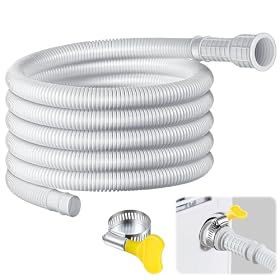
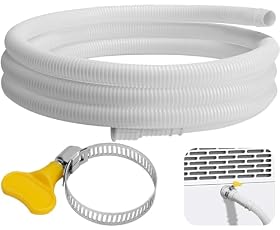
If the apartment has a suitable floor drain or sink, a drain hose can reduce maintenance. Check whether the hose connection relies on gravity; many units need the dehumidifier positioned higher than the drain outlet.
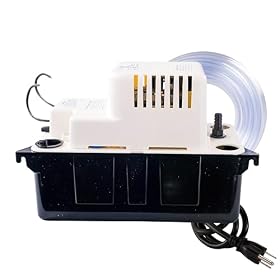
If the drain is lower than the appliance or far away, you may need a compatible condensate pump. Use only the hose, adapter, and pump arrangement allowed by the manufacturer, and protect electrical connections from water.
Filter access
A washable or replaceable air filter should be easy to remove and clean. Dust-clogged filters reduce airflow and can make a dehumidifier louder and less effective. Check the manufacturer’s maintenance instructions before buying replacement filters.
Casters and handles
For an apartment, mobility is useful. You may want to move the unit between a living area, bedroom, or laundry area. Casters are helpful on hard floors, while a solid handle makes stairs and bucket-emptying safer.
Product prices and availability are accurate as of the date/time indicated and are subject to change. Any price and availability information displayed on Amazon.com at the time of purchase will apply to the purchase of this product.
Where to place the dehumidifier
Place the unit in the dampest area with adequate clearance around its air intake and exhaust. Keep it away from curtains, furniture, walls, and other objects that restrict airflow. Do not operate it where splashing water can reach the appliance.
For an open-plan 500 sq ft apartment, a central location may help the dry air spread more evenly. For separate rooms, keep doors open when appropriate, but do not expect one unit to control humidity equally well behind closed doors.
Avoid placing the dehumidifier directly beside a radiator or other heat source unless the instructions specifically allow it. Keep the power cord and any drain hose arranged so they cannot become a trip hazard.
Product prices and availability are accurate as of the date/time indicated and are subject to change. Any price and availability information displayed on Amazon.com at the time of purchase will apply to the purchase of this product.
How to choose between a smaller and larger unit
Choose the smaller option when:
The apartment is only mildly damp.
You need a compact unit for a bedroom or office.
Low noise and lower power use are more important than fast moisture removal.
You are comfortable emptying the bucket regularly.
Choose the larger option when:
Humidity remains high despite extended operation.
The apartment is on a lower level or has recurring condensation.
You dry clothes indoors.
The unit will serve several connected areas.
You want less frequent bucket emptying or faster moisture removal.
If the unit runs continuously and cannot bring indoor humidity down, the problem may be excessive moisture entering the apartment, poor air circulation, a plumbing leak, or an undersized appliance. A larger dehumidifier cannot correct an active water intrusion.
Product prices and availability are accurate as of the date/time indicated and are subject to change. Any price and availability information displayed on Amazon.com at the time of purchase will apply to the purchase of this product.
Electrical and operating considerations
Plug the dehumidifier directly into a properly grounded wall outlet unless the manufacturer specifically permits another arrangement. Avoid using an extension cord or power strip unless the instructions explicitly approve it; high-power appliances can overheat unsuitable cords or connectors.
Keep the appliance upright during operation. If it was transported on its side, follow the manufacturer’s instructions before turning it on. Stop using the unit if the cord, plug, housing, or drainage connection is damaged, or if you notice overheating, burning odors, or repeated electrical trips.
Common buying mistakes
Choosing only by square footage
A 500 sq ft apartment with a bathroom venting problem or persistent condensation may need more capacity than a dry, well-ventilated apartment of the same size.
Ignoring the rating conditions
Pint capacity is measured under specified conditions. A unit’s real-world moisture removal can differ when the room is cooler or less humid. Compare manufacturer information carefully, especially if the apartment is cool.
Buying a unit without a drainage plan
Decide whether you will empty a bucket or use a hose before purchasing. Continuous drainage is convenient only when the hose can run safely to an appropriate drain, and a pump may be needed when gravity drainage is not possible.
Overlooking maintenance
Filters need regular cleaning, and buckets and drain passages may need periodic cleaning as well. A model that is difficult to access can be harder to maintain in a small apartment.
Bottom line
For many 500 sq ft apartments, start by comparing 20- to 30-pint models with a humidistat, automatic shutoff, accessible filter, and a noise level suitable for your living space. Move toward a larger-capacity unit when the apartment is very damp, has multiple connected areas, or requires faster moisture removal. Before buying, confirm the manufacturer’s coverage guidance, drainage requirements, electrical instructions, and replacement-filter availability.
FAQ
Is a 20-pint dehumidifier enough for a 500 sq ft apartment?
It may be enough for a lightly to moderately damp apartment, particularly when the space is open and air can circulate. Persistent condensation, musty odors, indoor clothes drying, or a lower-level location may justify a larger-capacity unit.
Should I buy a 30-pint or 50-pint dehumidifier for 500 sq ft?
Choose based on dampness rather than floor area alone. A 30-pint-class unit may suit a moderately damp apartment, while a larger unit can be appropriate for severe moisture problems or faster removal. Check the manufacturer’s current coverage chart and rating conditions.
Can one dehumidifier cover a 500 sq ft apartment?
One unit can work well in an open-plan apartment or when interior doors are left open. Separate bedrooms, bathrooms, and closed rooms may not receive equal moisture control, so placement and air circulation are important.
How often will I need to empty a dehumidifier?
It depends on room humidity, the unit’s bucket size, and how long it runs. A continuous-drain hose can reduce emptying, but it requires a suitable drain and, in some setups, a compatible condensate pump.
What humidity should I set in an apartment?
Use a comfortable indoor target recommended by the manufacturer and avoid making the air excessively dry. If windows still condense or the apartment remains musty, investigate ventilation, leaks, and moisture sources in addition to adjusting the dehumidifier.