Buying after a flood versus after chronic dampness
Flood cleanup and chronic dampness are different dehumidifier jobs. Choose based on water contamination, drying speed, room conditions, drainage needs, and whether the moisture problem has been fixed.
Flood damage and chronic dampness require different buying decisions. After a clean-water leak or minor basement dampness, a properly sized residential dehumidifier may be enough once the source is repaired. After major flooding, contaminated water, soaked building materials, or visible mold, drying is a safety and restoration issue—not simply a matter of buying a larger appliance.
First decide whether a dehumidifier is appropriate
After a flood
Do not connect or operate a dehumidifier in standing water, in a wet electrical area, or near damaged wiring. Turn off power to affected areas if it is safe to do so, and follow guidance from your insurer, local authorities, and qualified restoration professionals.
Floodwater may contain sewage, chemicals, or other contaminants. Porous materials such as drywall, insulation, carpet padding, and upholstered furniture may need removal rather than drying in place. A dehumidifier can support cleanup, but it does not disinfect contaminated materials or make mold-damaged materials safe.
A professional restoration setup may be more appropriate when:
Floodwater came from a drain, sewer, river, or unknown source.
Water covered a large area or remained for more than a short time.
Walls, floors, insulation, or built-in cabinets are saturated.
Mold is visible or there is a strong musty odor.
The building has electrical, structural, or HVAC damage.
You need rapid drying to limit further damage.
Restoration contractors may use commercial dehumidifiers, air movers, moisture meters, and controlled ventilation. Those tools are different from a typical portable basement unit.
After chronic dampness
For a persistently damp basement, crawlspace, laundry room, or living area, a residential dehumidifier is often the practical first purchase—but only after checking why the space is damp. Common causes include plumbing leaks, roof or gutter problems, poor grading, groundwater intrusion, condensation on cold surfaces, and inadequate ventilation.
A dehumidifier controls air moisture. It will not fix water entering through a foundation, a leaking supply line, or a failed sump pump. If the source remains, the unit may run continuously while the building materials continue to absorb water.
Choose the right type of unit
Residential dehumidifier for ongoing dampness
A household unit is designed for normal indoor spaces such as basements, bedrooms, utility rooms, and finished lower levels. When comparing models, pay attention to:
Moisture-removal capacity: Capacity is commonly listed in pints per day, but the published figure depends on test conditions. A unit’s rating does not guarantee the same removal rate in a cold basement.
Operating temperature range: Many standard units become less effective in cool spaces and may require periodic defrosting. Check the manufacturer’s low-temperature guidance before using one in an unheated basement or crawlspace.
Continuous-drain capability: A hose connection can avoid repeatedly emptying the bucket, provided the hose can run downhill to a suitable drain.
Built-in pump: A pump is useful when the drain is higher than the unit or when gravity drainage is not possible. Confirm the pump’s lift guidance and connection requirements.
Humidity controls: A reliable humidistat and an adjustable target help prevent needless operation. Follow the manufacturer’s recommended setting for the space.
Filter access and replacement: A clogged filter reduces airflow and can reduce performance. Choose a unit with a filter that is easy to remove and clean or replace.
Do not size only by room square footage. A basement with concrete walls and occasional dampness has different needs from a finished basement with repeated water intrusion, poor ventilation, or many wet surfaces. Consider room size, temperature, starting humidity, how often the space becomes damp, and whether doors will remain open.
Restoration or commercial unit after a flood
Flood drying generally favors equipment designed for sustained operation, faster water removal, and use with air movers. Commercial equipment may also be more suitable for demanding environments and professional moisture monitoring.
A household dehumidifier can be useful for a small, isolated clean-water incident after the area is safe and wet materials are handled appropriately. It is not automatically a substitute for restoration equipment after widespread flooding.
Ask a restoration professional how they will address wet structural materials, hidden moisture, airflow, mold risk, and electrical safety. The fastest-looking approach is not always the safest or most effective one.
Product prices and availability are accurate as of the date/time indicated and are subject to change. Any price and availability information displayed on Amazon.com at the time of purchase will apply to the purchase of this product.
Drainage matters more than the bucket size
A bucket may be acceptable for a lightly damp room that is checked daily. It becomes inconvenient after a flood or in a basement where the unit must run for long periods.
For chronic dampness, look for a unit that supports one of these arrangements:
Gravity drain: The hose must maintain a continuous downward slope. Kinks, uphill sections, and a clogged floor drain can stop drainage.
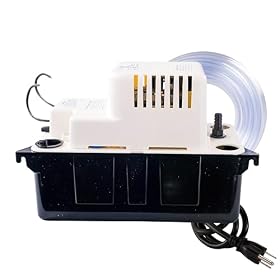
Condensate pump: Use a pump when the drain is elevated or distant. The pump must be compatible with the unit and installed according to its instructions.
Manual bucket emptying: This is simple but can allow the unit to shut off when the bucket fills, leaving the space damp.
Keep electrical connections away from water and use only the power connection and extension guidance allowed by the manufacturer. Do not improvise a drain or bypass a full-bucket safety shutoff.
Product prices and availability are accurate as of the date/time indicated and are subject to change. Any price and availability information displayed on Amazon.com at the time of purchase will apply to the purchase of this product.
What to buy in each situation
Small clean-water leak or one damp room
A residential dehumidifier with suitable capacity, a washable or replaceable filter, and continuous-drain support may be reasonable after the leak is repaired and the area is safe. Use fans only where doing so will not spread contamination or push moisture into other parts of the building.
Damp basement or crawlspace
Prioritize low-temperature operating guidance, automatic humidity control, a practical drain arrangement, and easy filter maintenance. If the basement is regularly below the unit’s recommended operating temperature, look for equipment specifically designed for cooler spaces rather than assuming a larger standard unit will solve the problem.
Major flood or several rooms with soaked materials
Contact a qualified restoration professional before choosing equipment. The decision may involve water classification, removal of porous materials, structural drying, electrical inspection, and mold prevention. A portable residential unit may still have a role later, but it should not be the only plan.
Check the moisture source before turning up the capacity
Before buying a larger dehumidifier, inspect:
Gutters, downspouts, grading, and foundation walls.
Plumbing fixtures, water heaters, washing machines, and nearby supply lines.
Sump pumps, floor drains, and backflow or overflow signs.
Condensation on pipes, ducts, windows, and cold walls.
Bathroom and kitchen exhaust ventilation.
HVAC operation and air circulation between rooms.
If the humidity rises again soon after the unit shuts off, the building may have an ongoing moisture source or moisture stored in materials. A hygrometer can help track relative humidity, but it cannot locate hidden water or confirm that a wall is dry.
When replacement is reasonable
Replace a residential dehumidifier when it has a refrigerant or compressor failure, repeatedly trips a properly functioning circuit, leaks internally, produces burning odors, or cannot maintain the manufacturer’s stated operation after basic cleaning and drainage checks. Stop using it if the cord, plug, housing, or electrical components are damaged.
For a flood, replacing ordinary household equipment that was submerged or exposed to contaminated water is usually safer than attempting to reuse it. Have questionable electrical equipment evaluated by a qualified professional.
If a unit runs constantly but the space remains wet, do not immediately assume the answer is a bigger model. First check the filter, air path, hose, bucket, room temperature, doors between spaces, and moisture source. If those are correct, the unit may be undersized, unsuitable for the temperature, or unable to address the amount of water entering the building.
FAQ
Can I use a regular dehumidifier after a flood?
Sometimes, but only after the area is electrically safe and the water was a small, clean-water incident. Major flooding, contaminated water, soaked structural materials, or visible mold calls for qualified restoration guidance rather than relying on a household unit alone.
What is the main difference between a flood-drying dehumidifier and a basement dehumidifier?
Flood-drying equipment is intended for more demanding, sustained drying and is normally used with air movers and moisture monitoring. A residential basement unit is intended for ongoing humidity control in a safe, relatively stable indoor environment.
Should I buy a bigger dehumidifier for chronic basement dampness?
Not necessarily. First repair leaks and drainage problems, then account for room size, temperature, humidity, and drainage. A larger standard unit will not solve water intrusion or perform well outside its recommended temperature range.
Is a drain hose or condensate pump better?
A gravity hose is simpler when it can run continuously downhill to a suitable drain. A condensate pump is useful when the drain is higher than the dehumidifier or gravity drainage is impractical. Follow the manufacturer’s connection and lift instructions.
How do I know whether flood-damaged materials should be removed?
The answer depends on the water source, how long materials were wet, the material type, and the extent of contamination. Porous materials exposed to sewage, river water, or unknown floodwater may need removal. Consult qualified restoration or environmental professionals.