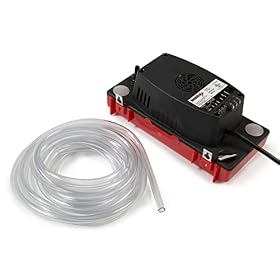
The best dehumidifier for a crawl space is sized for the space, supports continuous drainage, and can operate reliably in the temperatures your crawl space reaches. Here is what to look for before buying.
A good crawl-space dehumidifier should run unattended, remove moisture efficiently, and drain continuously without requiring you to empty a bucket. Look for a unit rated for the size and moisture level of the space, a built-in humidistat, automatic restart, low-temperature operation, and a drain hose or condensate-pump option.
Before buying, fix obvious water-entry problems first. A dehumidifier can control humidity, but it will not solve standing water, plumbing leaks, groundwater intrusion, or an unsealed dirt floor by itself.
What to look for in a crawl-space dehumidifier
Capacity suited to the space
Dehumidifier capacity is commonly listed in pints of moisture removed per day. The rating is based on standardized test conditions and may not reflect performance in a cool crawl space. A very damp, poorly sealed, or frequently wet crawl space may need more capacity than a similarly sized dry space.
Use the manufacturer's sizing chart rather than choosing only by square footage. Pay particular attention to:
Crawl-space square footage and ceiling height
Whether the area is mildly damp, very damp, or has visible moisture
The local climate and seasonal humidity
Whether the crawl space is sealed or vented
Whether the unit will run continuously during humid weather
If the space is divided by foundation walls or has restricted airflow, one large unit may not dehumidify every section evenly. Improve airflow or ask a qualified crawl-space professional whether multiple units or ducting are appropriate.
Low-temperature operation
Crawl spaces can be much cooler than living areas. Many standard portable room dehumidifiers are intended mainly for warmer indoor conditions and may ice up or shut down when the temperature falls.
Check the manufacturer's stated operating-temperature range and whether the unit has automatic defrost. A low-temperature-rated unit is usually a better choice for an unheated crawl space, especially in colder climates. Do not assume that a unit will work well simply because it has a large pint rating.
Continuous drainage
A built-in water bucket is inconvenient for a crawl space because it may fill while nobody is present. Prefer a unit with a continuous-drain outlet and connect it to an approved drain point according to the instructions.
Check these details before installation:
The drain outlet size and hose connection type
Whether gravity drainage is possible
The minimum hose slope required
The maximum lift if a pump is needed
Whether the unit stops when the hose is blocked or kinked
A gravity drain needs a continuous downward path. If the drain must rise to reach a sink, sump basin, or exterior discharge point, use a condensate pump rated for the required lift. Never route water where it can drain back toward the foundation.
Humidity control
A built-in humidistat lets the unit cycle automatically instead of running continuously. A target around 45% to 50% relative humidity is a common starting point, but the appropriate setting depends on the space, climate, and moisture conditions.
Avoid setting the humidity unnecessarily low. Excessive operation uses more energy and may not provide additional protection. Use a separate hygrometer in another part of the crawl space if you need to check whether the built-in sensor reflects conditions throughout the area.
Automatic restart and fault protection
Power interruptions are common in some homes. Automatic restart allows the dehumidifier to resume its previous settings after power returns. This is particularly useful when the crawl space is unattended.
Also look for protections such as full-bucket shutoff, overflow protection, compressor delay, and automatic defrost. These features do not replace correct drainage or maintenance, but they can reduce the chance of damage when something goes wrong.
Crawl-space preparation matters as much as the appliance
A dehumidifier works best in a crawl space that is reasonably sealed. Before installation, address:
Plumbing or HVAC leaks
Standing water and poor drainage
Uncovered dirt floors
Missing or damaged vapor barriers
Unsealed vents, access doors, and large air gaps
Foundation seepage or groundwater intrusion
A dirt-floor crawl space can release substantial moisture into the air. Depending on local building practices and the condition of the space, a properly installed ground vapor barrier and sealed access points may significantly reduce the dehumidifier's workload. Major moisture intrusion may require a waterproofing contractor or crawl-space specialist.
Do not block required combustion-air openings or alter building ventilation without understanding local code and the requirements of fuel-burning equipment. If the crawl space contains a furnace, boiler, water heater, or other combustion appliance, consult a qualified professional before sealing or changing airflow.
Product prices and availability are accurate as of the date/time indicated and are subject to change. Any price and availability information displayed on Amazon.com at the time of purchase will apply to the purchase of this product.
How to install a dehumidifier in a crawl space
Follow the specific manual, but these general steps help avoid common problems:
Place the unit on a stable, level surface above any possible standing water.
Leave the clearance specified by the manufacturer around the air intake and outlet.
Keep the unit away from dripping pipes, foundation leaks, and loose insulation.
Connect the drain hose with the required slope, or install a suitable condensate pump.
Secure the hose so it cannot kink, disconnect, or discharge near the foundation.
Use a properly grounded electrical outlet and avoid an extension cord unless the manufacturer explicitly permits one.
Set the humidity target and verify that the unit starts and drains correctly.
Check the crawl space after the first operating cycle for leaks, hose movement, and unexpected water accumulation.
Electrical connections in damp crawl spaces deserve extra caution. Use the type of outlet and ground-fault protection required by local code and the manufacturer's instructions. Have a licensed electrician handle new circuits, questionable wiring, or outlets exposed to moisture.
Product prices and availability are accurate as of the date/time indicated and are subject to change. Any price and availability information displayed on Amazon.com at the time of purchase will apply to the purchase of this product.
What type of unit is best?
Portable room dehumidifier
A portable unit may work in a small, accessible, moderately damp crawl space if its operating-temperature range, drainage setup, and safety requirements are suitable. It is usually less convenient when the area is cold, difficult to access, or expected to remain unattended for long periods.
Crawl-space or whole-home dehumidifier
A unit designed for crawl spaces or whole-home applications is often the better fit for a sealed, persistently damp area. These units commonly emphasize continuous drainage, low-temperature operation, remote controls, ducting options, or longer unattended operation. Confirm every specification rather than relying only on the product category.
Ducted installation
Ducting can improve air circulation when the crawl space has separated sections or limited clearance around the appliance. It adds installation complexity and should follow the manufacturer's limits for duct length, airflow, and static pressure. Professional installation may be appropriate.
Product prices and availability are accurate as of the date/time indicated and are subject to change. Any price and availability information displayed on Amazon.com at the time of purchase will apply to the purchase of this product.
Maintenance that prevents performance loss
Inspect the system regularly, especially during humid weather:
Clean or replace the air filter at the interval stated in the manual.
Check the drain hose for algae, mineral buildup, kinks, and loose connections.
Confirm that the condensate pump reservoir and float switch move freely.
Remove dust from accessible grilles without damaging coils or wiring.
Look for ice, unusual noise, water leaks, or repeated shutoffs.
Use a hygrometer to confirm that humidity is actually falling.
A dirty filter restricts airflow and can cause poor moisture removal or icing. A clogged hose or pump can make a working dehumidifier appear defective.
When to choose a larger unit or a replacement
Choose a larger-capacity or more crawl-space-appropriate unit when the current one runs continuously but humidity remains high, provided leaks and drainage problems have been ruled out. If humidity stays high across the whole space, the crawl space may need better sealing, a vapor barrier, improved drainage, or additional airflow rather than simply a bigger appliance.
Replacement is reasonable when the compressor repeatedly trips, the unit leaks internally, the fan or compressor makes abnormal noises, it cannot maintain humidity after cleaning, or repair costs approach the price of a suitable replacement. Disconnect power before inspecting anything beyond basic filter and hose maintenance, and refer refrigerant or electrical repairs to a qualified technician.
FAQ
What size dehumidifier do I need for a crawl space?
Use the manufacturer's sizing chart based on crawl-space area, height, moisture severity, climate, and whether the space is sealed. A very damp or poorly sealed crawl space may need more capacity than square footage alone suggests.
Can I use a regular portable dehumidifier in a crawl space?
Sometimes, but check its minimum operating temperature, drainage requirements, clearance, and unattended-operation features first. Many standard room units are not suitable for cold crawl spaces or continuous unattended drainage.
What humidity should a crawl space be?
Around 45% to 50% relative humidity is a common starting range, but conditions vary. Use a separate hygrometer to check humidity in more than one location and address leaks or ground moisture rather than lowering the setting indefinitely.
Does a crawl-space dehumidifier need a drain hose?
For unattended operation, usually yes. Gravity drainage works when the hose can slope continuously downward. If the water must be lifted, a compatible condensate pump may be required.