A 70-pint dehumidifier removes moisture faster, but a 50-pint model may be the better choice for a moderately damp room. The right size depends on humidity, temperature, room layout, and how continuously the unit must run.
A 70-pint dehumidifier removes more moisture per day than a 50-pint model, so it is usually the better choice for a very damp basement, recurring condensation, or a space that needs faster humidity control. A 50-pint unit can be sufficient for a moderately damp room and may cost less to run when its capacity matches the problem.
The pint number is not a direct room-size rating. It describes the amount of water a dehumidifier can remove under a specified test condition. Actual performance changes with temperature, humidity, air circulation, and the moisture entering the space.
50-pint versus 70-pint: the key difference
Factor
50-pint dehumidifier
70-pint dehumidifier
Moisture-removal capacity
Lower
Higher
Best fit
Moderately damp rooms
Very damp or moisture-prone spaces
Speed of humidity reduction
Generally slower
Generally faster
Likely size and weight
Often smaller, but varies
Often larger, but varies
Water collected
Less under the same conditions
More under the same conditions
Drainage demand
Moderate
Higher during continuous operation
These are general comparisons, not guarantees for every model. Check the manufacturer’s dimensions, operating-temperature range, noise rating, energy information, and drainage requirements before buying.
Choose a 50-pint dehumidifier when
A 50-pint unit is often reasonable when:
The room is only moderately damp rather than saturated.
Humidity rises seasonally instead of remaining high all the time.
You want to control moisture in a bedroom, living area, office, or smaller basement section.
The space has relatively few moisture sources.
You can allow the unit to run longer to reach the target humidity.
The lower-capacity unit fits a limited space more easily.
A 50-pint model is not automatically more energy-efficient in every situation. If it must run almost continuously to keep up with incoming moisture, a larger, properly sized unit may reach the target humidity sooner. Compare the units’ energy information rather than assuming the smaller capacity always costs less to operate.
Product prices and availability are accurate as of the date/time indicated and are subject to change. Any price and availability information displayed on Amazon.com at the time of purchase will apply to the purchase of this product.
Choose a 70-pint dehumidifier when
A 70-pint unit is usually the stronger choice when:
The basement feels very damp or has persistent musty odors.
Water condenses on walls, pipes, windows, or other cool surfaces.
The space has a history of seepage, flooding, laundry moisture, or poor ventilation.
Humidity returns quickly after the dehumidifier shuts off.
You want faster moisture removal from a large or open area.
The dehumidifier will operate continuously during a particularly humid season.
A larger unit cannot correct active water intrusion, plumbing leaks, defective gutters, or inadequate waterproofing. Fix the source of moisture first, then use the dehumidifier to control the remaining humidity.
Product prices and availability are accurate as of the date/time indicated and are subject to change. Any price and availability information displayed on Amazon.com at the time of purchase will apply to the purchase of this product.
Capacity is not the same as coverage
Manufacturers may publish suggested room areas, but those estimates depend on the conditions used to create them. A cool basement, a warm living room, and a space with exposed concrete can produce very different results even when their floor areas are similar.
Consider these factors before relying on a listed coverage area:
Temperature
Many compressor-style dehumidifiers remove less water as the air gets colder. Cold basements may require a model designed for lower-temperature operation or a unit with an appropriate defrost system. Read the operating-temperature specifications carefully.
Moisture load
A basement with wet masonry, drying laundry, or frequent air leaks needs more capacity than a similarly sized finished room.
Layout and airflow
A closed room is easier to control than several connected rooms. Open doorways, stairwells, and unfinished sections can increase the volume of air the unit must serve.
Starting humidity
If the space begins at very high humidity, a 70-pint unit may lower humidity faster. Once the room is stable, both sizes may cycle on and off rather than running continuously.
Product prices and availability are accurate as of the date/time indicated and are subject to change. Any price and availability information displayed on Amazon.com at the time of purchase will apply to the purchase of this product.
Which one uses less electricity?
The answer depends on the unit’s efficiency and runtime, not just its pint rating. A 70-pint model may draw more power while operating, but it may also remove moisture more quickly. A 50-pint model may use less power at a given moment but run for longer.
For a meaningful comparison, check:
Energy-factor or efficiency information provided for the model.
Rated power consumption or operating wattage.
Whether the rating applies at conditions similar to your space.
Automatic humidity controls and compressor cycling.
Whether the unit has an energy-saving or restart feature that suits your use.
Avoid choosing solely by the lowest listed wattage. The better choice is the unit that can maintain your target humidity without running nearly nonstop.
Product prices and availability are accurate as of the date/time indicated and are subject to change. Any price and availability information displayed on Amazon.com at the time of purchase will apply to the purchase of this product.
Drainage matters more with a 70-pint unit
A high-capacity dehumidifier can fill its bucket quickly in a wet basement. If you do not want to empty the tank frequently, look for a model with continuous-drain capability and verify the manufacturer’s requirements for hose size, drain height, and slope.
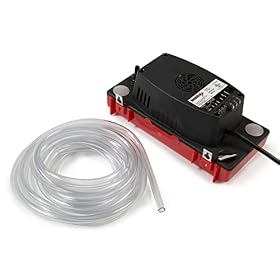
A gravity drain normally needs a suitable downward path. If the drain is higher than the dehumidifier’s outlet or there is no practical slope, a compatible condensate pump may be necessary. Do not attach a hose or pump unless it is compatible with the specific unit and installed according to the instructions.
Noise, footprint, and placement
A 70-pint unit may be larger or heavier, although capacity alone does not determine the exact dimensions. Check the published measurements before buying, especially if the dehumidifier will sit in a narrow basement area or must be moved between rooms.
Place either size with the clearances specified by the manufacturer. Keep air inlets and outlets unobstructed, leave space around the unit, and use a level, stable surface. Do not place it where water can contact electrical connections or where the power cord creates a trip hazard.
What humidity should you target?
Many homes aim for indoor relative humidity around 30% to 50%, but the appropriate setting depends on comfort, condensation, climate, and the building. A basement may need a setting that balances moisture control with avoiding excessive drying.
Use a separate hygrometer if you want to verify the room’s humidity instead of relying only on the dehumidifier display. If humidity remains high despite continuous operation, investigate moisture sources, airflow, filter condition, drainage, and the unit’s operating-temperature limits.
A simple buying decision
Choose a 50-pint dehumidifier if the space is moderately damp, the moisture load is limited, and you prefer a potentially smaller unit that can run longer to maintain humidity.
Choose a 70-pint dehumidifier if the space is very damp, humidity returns quickly, or you need faster moisture removal and less frequent bucket emptying. Prioritize continuous drainage when the unit will run unattended or during wet weather.
If you are unsure, compare the manufacturer’s recommended conditions rather than using pint capacity alone. A properly sized 50-pint unit is preferable to an oversized model that does not fit or drain conveniently, while an undersized unit may struggle and operate almost continuously.
FAQ
Is a 70-pint dehumidifier better than a 50-pint model?
Not always. A 70-pint model is better for very damp spaces and higher moisture loads because it can remove water faster. A 50-pint model may be sufficient for a moderately damp room and can be easier to place or move.
Will a 70-pint dehumidifier cover more square feet?
It may, but pint capacity does not guarantee a specific coverage area. Temperature, starting humidity, air circulation, moisture sources, and the manufacturer’s rating conditions all affect actual performance.
Does a 70-pint dehumidifier use more electricity?
It may draw more power while operating, but it can also reach the target humidity faster. Compare the models’ efficiency information and expected runtime instead of judging energy use from pint capacity alone.
Should I buy a 50-pint or 70-pint dehumidifier for a basement?
Use a 50-pint model for a moderately damp basement with a manageable moisture load. Consider 70 pints for a very damp basement, persistent condensation, recurring musty odors, or humidity that quickly returns after the unit shuts off.
Can a dehumidifier fix basement water problems?
No. A dehumidifier controls airborne moisture but does not repair leaks, seepage, flooding, plumbing problems, or poor drainage. Address those causes separately and follow the dehumidifier manufacturer’s safety instructions.