A portable dehumidifier filter is usually model-specific rather than universal. Learn how to identify the correct replacement, compare washable and disposable filters, and avoid fit and airflow problems.
Replacement filter for a portable dehumidifier
A replacement filter for a portable dehumidifier must match the unit’s model, filter shape, and dimensions. Most portable dehumidifiers use a washable mesh air filter, but some models use a replaceable filter insert or a filter assembly with a frame. Before buying, check the model number and compare the replacement filter with the original one.
Check compatibility before buying
The safest way to find the correct filter is to use the dehumidifier’s model number. Look for it on:
The rating label on the back or side of the unit
The owner’s manual
The control panel or cabinet label
The original filter frame or housing
The manufacturer’s parts lookup page
Search using the full model number plus terms such as “replacement filter” or “air filter.” Avoid relying only on the dehumidifier’s capacity, such as 30-pint or 50-pint. Different units with the same moisture-removal rating can use different filters.
If the model number is unavailable, measure the original filter’s length, width, and thickness. Also compare the frame shape, tab location, handle, retaining clips, and airflow direction. A filter that is close in size but does not seat securely can allow unfiltered air into the unit or restrict airflow.
Washable versus disposable filters
Washable mesh filters
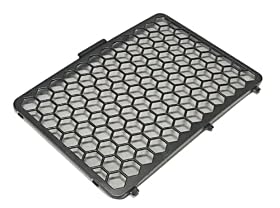
Washable filters are common in portable dehumidifiers. They typically have a plastic frame and a fine mesh screen that traps dust before air reaches the coil.
Choose a replacement washable filter when the original filter is torn, warped, missing, or no longer fits securely. A washable filter should be cleaned according to the manufacturer’s instructions and allowed to dry completely before installation.
Do not operate the dehumidifier with a wet filter. Moisture can restrict airflow and may contribute to odors or other operating problems.
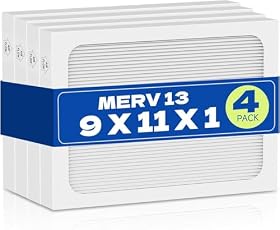
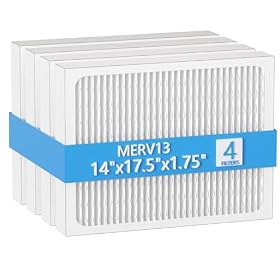
Disposable or replaceable filter inserts
Some dehumidifiers use a filter insert that is not intended to be washed. These may use a paper-like, foam, or other filter material. Replace this type at the interval specified by the manufacturer, or sooner if it is visibly clogged or damaged.
Do not substitute a thicker filter unless the manufacturer specifically permits it. A denser filter can reduce airflow through the dehumidifier, which may lower performance or cause the unit to shut down.
Odor, carbon, or specialty filters
Certain models may support an odor-reducing or specialty filter in addition to a basic dust filter. These are not interchangeable with ordinary mesh filters unless the manufacturer lists them as compatible. Check whether the filter is an optional accessory or a required part for your specific model.
Product prices and availability are accurate as of the date/time indicated and are subject to change. Any price and availability information displayed on Amazon.com at the time of purchase will apply to the purchase of this product.
How to choose a replacement filter
Use this checklist before ordering:
Match the complete model number. Similar-looking units may use different filter frames.
Confirm the filter type. Make sure the replacement is washable, disposable, foam, mesh, or specialty type as required.
Compare dimensions. Check length, width, and thickness against the original filter or the manufacturer’s specifications.
Inspect the frame and tabs. Mounting clips, pull tabs, and edge rails affect fit.
Check the quantity. A listing may include one filter, a multipack, or only a filter insert without its frame.
Confirm return terms. This is useful when the model number is uncertain or the original part is unavailable for comparison.
A generic cut-to-fit filter is usually a poor choice unless the manufacturer specifically approves it. It may leave gaps around the edges or block more airflow than the original design.
Product prices and availability are accurate as of the date/time indicated and are subject to change. Any price and availability information displayed on Amazon.com at the time of purchase will apply to the purchase of this product.
When the existing filter can be cleaned instead
Replacement is not always necessary. Clean a washable filter if it is intact and still fits properly:
Turn the dehumidifier off and unplug it.
Remove the filter according to the owner’s manual.
Vacuum loose dust from both sides.
Rinse or wash it only if the manufacturer permits this.
Let it dry fully.
Reinstall it securely before operating the unit.
Never scrub aggressively enough to damage the mesh. Do not use a damaged filter as a temporary solution if dust can bypass it and reach the coil.
Signs you need a replacement
Replace the filter when you notice any of the following:
Torn, cracked, or crushed mesh
A broken frame or missing retaining tab
A filter that will not stay in its track
Permanent clogging that cleaning does not remove
Excessive dust on the coil despite regular cleaning
Visible gaps around the installed filter
Persistent musty odor after proper cleaning and drying
A clogged filter can reduce airflow and moisture removal. However, weak dehumidification is not always caused by the filter. A full water bucket, blocked air path, low room temperature, dirty coil, drain problem, or mechanical fault can produce similar symptoms.
After installing the new filter
Check that the filter is seated evenly and that no part of it touches the fan or blocks the air inlet. Clear several inches around the dehumidifier’s intake and exhaust areas, following the clearance guidance in the manual.
Run the unit and check for normal airflow. If the dehumidifier still has weak airflow or removes little water with a clean, correctly installed filter, unplug it and consult the manual. Continued problems may require coil cleaning, a service inspection, or replacement of the dehumidifier rather than another filter.
Do not open the sealed refrigeration system or attempt electrical repairs yourself. Refrigerant and electrical service should be handled by a qualified technician.
When replacing the whole dehumidifier makes more sense
A filter is a reasonable repair when the unit otherwise runs normally and replacement parts are available. Consider replacing the dehumidifier when:
The correct filter is discontinued or costs nearly as much as a suitable replacement unit
The cabinet, filter housing, or fan is damaged
The unit repeatedly freezes or shuts off after airflow problems are ruled out
It leaks even after the bucket and drain system are correctly installed
The compressor or control system has failed
Use the exact model information when ordering a filter. That is more reliable than choosing by pint capacity, brand appearance, or a photograph alone.
Usually not. Filter dimensions, frames, tabs, and materials vary by model. Use the complete dehumidifier model number or compare the replacement with the original filter before buying.
Can I wash a replacement dehumidifier filter?
Only if it is labeled washable or the owner’s manual says washing is allowed. Let a washable filter dry completely before reinstalling it. Disposable filter inserts should not be washed unless the manufacturer specifically permits it.
How often should a portable dehumidifier filter be replaced?
There is no single schedule for every model. Inspect the filter regularly and follow the manufacturer’s cleaning and replacement guidance. Replace it sooner if it is torn, warped, permanently clogged, or no longer fits securely.
Can a dirty filter stop a dehumidifier from collecting water?
Yes. A clogged filter can restrict airflow and reduce moisture removal, but poor water collection can also result from low room temperature, a blocked drain, a full bucket, a dirty coil, or a mechanical problem.