Energy Star dehumidifier versus a cheap compact unit
An ENERGY STAR dehumidifier usually makes more sense for basements and persistently damp rooms, while a cheap compact unit can work for small, mildly humid spaces. The right choice depends on moisture load, runtime, capacity, and drainage—not just the purchase price.
An ENERGY STAR dehumidifier is usually the better long-term choice for a basement, bedroom, or other space that stays damp for hours at a time. A cheap compact unit may cost less upfront and can be useful for a small bathroom, closet, RV, or occasional moisture problem, but many compact models remove moisture more slowly and may cost more to operate if they run constantly.
The best choice depends on how much water the space produces, how often the dehumidifier will run, and whether you need continuous drainage.
ENERGY STAR versus cheap compact: the main differences
Factor
ENERGY STAR dehumidifier
Cheap compact unit
Best use
Basements, living spaces, and regular moisture control
Small rooms, closets, bathrooms, and occasional use
Efficiency
Meets EPA efficiency requirements for its product category
Efficiency varies widely and may not be certified
Moisture removal
Often available in larger capacities
Usually intended for lighter moisture loads, though capacity varies by model
Upfront cost
Generally higher
Generally lower
Drainage
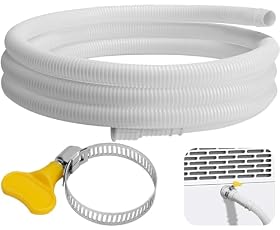
Many models support a hose or condensate pump
Often limited to manual tank emptying; some support a hose
Controls
Usually includes a humidistat and automatic operation
May have simpler controls and less precise humidity management
Long-term value
Better when the unit runs frequently
Reasonable when runtime and moisture load are low
ENERGY STAR certification is useful because it identifies models that meet the U.S. Environmental Protection Agency's efficiency requirements. It does not guarantee that every certified model is the right size, quietest option, or best performer for your room. Capacity, drainage design, noise, and serviceability still matter.
When an ENERGY STAR model is worth paying more for
The unit will run most days
If a dehumidifier operates for many hours per day during a humid season, efficiency has more opportunity to affect operating cost. The larger the moisture load and the longer the runtime, the less useful it is to focus only on the initial purchase price.
Look for a model with:
ENERGY STAR certification
An adjustable humidistat
Automatic shutoff when the bucket is full
A hose connection if continuous drainage is needed
A washable or replaceable air filter
A capacity appropriate for the room and moisture level
A certified unit can still be inefficient for your situation if it is badly undersized and runs continuously without controlling the humidity.
You are managing a basement or recurring dampness
Basements often have cooler temperatures, larger air volumes, and moisture entering through walls, floors, laundry areas, or outside air. A small countertop-style unit may collect some water but fail to keep relative humidity under control.
For recurring basement dampness, prioritize capacity and drainage first, then efficiency. A unit that can drain through a hose or into a condensate pump is usually more convenient than one that requires frequent bucket emptying.
You want more dependable automatic control
A humidistat lets the dehumidifier cycle on and off around a selected humidity level. This is more useful than running a basic compact unit continuously, especially in a bedroom, basement, or storage area where over-drying is also undesirable.
Check the manufacturer's instructions for the recommended operating temperature. Some compressor dehumidifiers can frost up or operate less effectively in cool basements.
Product prices and availability are accurate as of the date/time indicated and are subject to change. Any price and availability information displayed on Amazon.com at the time of purchase will apply to the purchase of this product.
When a cheap compact unit may be enough
A lower-cost compact dehumidifier can be a practical choice when all of the following are true:
The space is small.
Humidity is mild rather than severe.
You only need occasional operation.
You can empty the water container regularly.
There is no active leak, flooding, or persistent foundation moisture.
Compact units are also convenient where a larger compressor model would be excessive, such as a closet, small bathroom, enclosed office, or recreational vehicle. However, read the actual moisture-removal capacity and tank size rather than judging by the unit's physical dimensions.
Some very small units use thermoelectric technology instead of a compressor. These can be quiet and compact, but they generally suit lighter moisture loads. For a damp basement or a room with visible condensation, a compressor-based dehumidifier is typically the more appropriate category, subject to the manufacturer's operating-temperature guidance.
Product prices and availability are accurate as of the date/time indicated and are subject to change. Any price and availability information displayed on Amazon.com at the time of purchase will apply to the purchase of this product.
Compare total cost, not just purchase price
The cost of owning a dehumidifier includes more than the price on the shelf.
Consider:
Electricity: A unit that runs frequently can make efficiency important.
Drainage: Manual bucket emptying takes time and may be impractical in a basement.
Replacement filters: Check whether the filter is washable or must be replaced.
Noise: A unit in a bedroom or living area should be evaluated for its published noise information, if available.
Expected runtime: Occasional use favors a low upfront cost; continuous moisture control favors efficiency and durability.
Warranty and parts: A longer warranty or available replacement parts can improve long-term value, but verify the terms before buying.
Avoid assuming that ENERGY STAR certification alone will produce a specific dollar amount of savings. Actual cost depends on electricity rates, indoor humidity, temperature, set point, room conditions, and how often the compressor cycles.
Product prices and availability are accurate as of the date/time indicated and are subject to change. Any price and availability information displayed on Amazon.com at the time of purchase will apply to the purchase of this product.
Capacity matters more than the label
A certified dehumidifier can still be a poor purchase if its capacity is too low for the space. Manufacturers commonly describe capacity in pints of moisture removed per day, but published ratings depend on test conditions. Use the capacity guidance supplied by the manufacturer and account for conditions such as:
Room size
Very damp or mildly damp conditions
Basement use
Laundry or other indoor moisture sources
Poor ventilation
Low indoor temperature
Do not choose a tiny unit solely because the room is small if the moisture source is substantial. Conversely, buying a very large unit for a lightly damp closet may add unnecessary cost, noise, and space requirements.
Product prices and availability are accurate as of the date/time indicated and are subject to change. Any price and availability information displayed on Amazon.com at the time of purchase will apply to the purchase of this product.
Drainage can decide between two similar models
A water bucket is acceptable when you are using the dehumidifier occasionally and can empty it safely. It becomes inconvenient when the unit runs overnight or while the building is unoccupied.
For continuous operation, look for:
A built-in gravity-drain connection
A suitable drain location below the dehumidifier outlet
A condensate pump when the drain is higher than the unit or far away
Manufacturer-approved hose sizing and routing
Keep the unit level, protect the hose from kinks, and follow the manufacturer's instructions. Do not improvise electrical or drainage connections in a way that could expose plugs, outlets, or controls to water.
What to check before buying either type
Confirm the product category
Make sure you are comparing a real room dehumidifier with the capacity needed for your space. Very small portable units may be marketed for moisture removal but are not intended to handle basement-level humidity.
Check operating-temperature limits
A cool basement can affect compressor performance. Review the specified operating range and whether the model includes frost protection or automatic defrost. Never assume a unit designed for a warm living room will work well in an unheated space.
Check the filter arrangement
A clogged filter restricts airflow and can reduce moisture removal. Confirm that the filter can be removed for cleaning and that replacement filters are available if the manufacturer requires them.
Check continuous-drain support
If you do not want to empty a bucket, verify that the model has a drainage outlet and determine whether gravity drainage is possible. A hose connection alone does not guarantee that water will flow uphill or across a long distance.
Bottom line
Choose an ENERGY STAR dehumidifier when the unit will run frequently, the space has recurring dampness, or you need dependable automatic control and continuous drainage. Choose a cheap compact unit when the space is small, the moisture problem is mild, and manual emptying is acceptable.
For a basement or persistent humidity problem, prioritize adequate capacity, cool-room suitability, drainage, and filter access. Use ENERGY STAR certification as an efficiency filter—not as a substitute for selecting the correct size and design.
If the space remains wet even with an appropriately sized dehumidifier, look for plumbing leaks, foundation seepage, poor ventilation, or condensation problems. A dehumidifier can control airborne moisture, but it cannot repair a water intrusion source.
FAQ
Is an ENERGY STAR dehumidifier always better than a cheap compact unit?
No. ENERGY STAR certification indicates that the model meets EPA efficiency requirements, but a compact unit may be the better fit for a small space with mild, occasional humidity. For frequent use or a damp basement, the certified model is more likely to offer better long-term value if it is correctly sized.
Will an ENERGY STAR dehumidifier use less electricity?
It is designed to meet applicable efficiency requirements, but actual electricity use depends on capacity, runtime, humidity, temperature, settings, and local electricity rates. An undersized unit may run constantly, while an appropriately sized unit can cycle more effectively.
Can a cheap compact dehumidifier handle a basement?
It may help in a very small, mildly damp basement area, but many compact units are intended for lighter moisture loads. For persistent basement humidity, compare the manufacturer's capacity guidance, operating-temperature range, and drainage options before buying.
Is a dehumidifier with a hose better than one with a bucket?
A hose is more convenient when the unit runs frequently or when the space is unattended. Gravity drainage requires a suitable lower drain, while a condensate pump may be needed when water must move uphill or over a distance.
What should I buy if my dehumidifier runs but does not lower humidity?
Check the filter, airflow path, hose or bucket setup, room temperature, doors and windows, and possible water intrusion. If the unit is undersized or its compressor is failing, replacing it may be more practical than continued repair. Follow the owner's manual and use a qualified appliance technician for electrical or sealed-system faults.