Most home dehumidifiers draw in humid air, remove moisture through condensation, and send drier air back into the room. Here’s how the process works and what affects it.
How a dehumidifier works
A dehumidifier pulls humid air through the appliance, removes some of its moisture, and releases drier air back into the room. Most home models do this by cooling air until water condenses out; other models use a moisture-absorbing material instead.
The basic process in a compressor dehumidifier
Most household dehumidifiers are compressor, or refrigerant, models. Their main parts include a fan, two heat-exchange coils, a compressor, and a container or drain for the water.
A fan draws room air in. A filter catches dust and other particles before the air passes through the machine.
The air cools at the evaporator coil. Refrigerant circulating through this coil makes its surface cold. When humid air cools below its dew point, some water vapor becomes liquid droplets on the coil.
Water collects and drains away. The droplets run into a collection bucket or through a drain connection. A float or sensor usually stops the unit if its bucket is full or missing.
The air warms at the condenser coil. The refrigerant carries heat from the first coil to the second. The dehumidifier releases the drier air back into the room, often slightly warmer than the air it drew in.
The machine does not remove every trace of moisture in one pass. It repeatedly circulates room air, lowering humidity over time until it reaches the setting on its humidistat or another control.
Product prices and availability are accurate as of the date/time indicated and are subject to change. Any price and availability information displayed on Amazon.com at the time of purchase will apply to the purchase of this product.
How desiccant dehumidifiers work
A desiccant model uses a moisture-attracting material, often arranged in a rotating wheel, to capture water vapor from the air. Another part of the machine warms the material so it releases the captured moisture, which is then collected or drained away.
Desiccant models do not rely on the same cold-coil condensation process as compressor models. Their performance, heat output, and suitable operating conditions vary by design, so check the manufacturer’s guidance when choosing one for a particular space.
Product prices and availability are accurate as of the date/time indicated and are subject to change. Any price and availability information displayed on Amazon.com at the time of purchase will apply to the purchase of this product.
What affects how much water it removes
A dehumidifier’s stated capacity is the amount of moisture it can collect under specified test conditions, not a guarantee of what it will collect every day at home. Actual removal depends on factors such as:
Room temperature: Compressor models generally remove less moisture in cooler conditions, and may pause to defrost if their coils get too cold.
Humidity and moisture sources: A very damp room may produce more collected water, while ongoing leaks, wet building materials, or outdoor air entering the space can keep adding moisture.
Air circulation and placement: Blocked air inlets or outlets limit airflow. Follow the clearance and placement instructions in the manual.
The humidity setting: Once the room reaches the target, many models cycle off and restart as needed.
A dehumidifier manages moisture in the air; it does not fix a plumbing leak, water intrusion, or another source of dampness.
Where the water goes
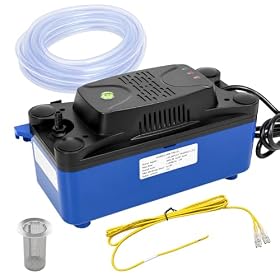
You can empty the collection bucket by hand, or use a model’s continuous-drain connection if it supports one. Continuous drainage requires the hose to be routed as the manufacturer specifies; some setups need a condensate pump when gravity drainage is not practical.
The collected water is condensate, not drinking water. Empty and clean the bucket as directed, and keep any drain hose clear and properly positioned to help prevent spills or backups.
What to expect during operation
The fan and compressor can make noise, and the machine may release slightly warmer air because its coils transfer heat while removing moisture. A full bucket, a defrost cycle, or a humidity setting that has already been reached can cause the unit to stop temporarily. Those behaviors can be normal; check the manual if the display or operating pattern is unclear.
For a dehumidifier that is not collecting water, first check the humidity setting, room conditions, filter, airflow, bucket position, and drain setup. Avoid opening sealed refrigerant components. If the unit still will not operate normally after basic checks, contact the manufacturer or a qualified service professional.
FAQ
Does a dehumidifier cool a room?
Usually not. A typical compressor dehumidifier releases slightly warmed air because it transfers heat as it removes moisture. It may make a room feel more comfortable by lowering humidity, but it is not an air conditioner.
Is water from a dehumidifier clean?
No. Although it is condensed from the air, it may pick up dust, microbes, or residue inside the machine. Do not treat it as drinking water.
Why does a dehumidifier stop collecting water?
It may have reached its humidity setting, have a full or incorrectly seated bucket, or be operating in conditions where it removes little moisture. Check the filter and airflow, controls, and drainage setup; consult the manual if the cause is not clear.
Do all dehumidifiers use refrigerant?
No. Many household units use a compressor and refrigerant coils, while desiccant models use a moisture-absorbing material and a process that releases the captured moisture.