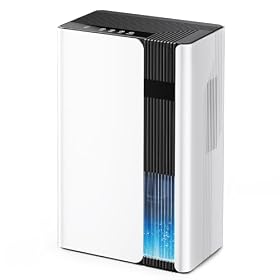
A small dehumidifier may help control damp air in a grain-storage room, but it is not a substitute for drying grain or managing moisture inside a bin.
A small dehumidifier can help keep the air in a grain-storage room drier, but it generally cannot dry grain stored in a deep pile or sealed bin. For grain itself, use moisture measurements and drying or aeration methods suited to the crop and storage setup; treat a room dehumidifier as support for the surrounding space, not as grain-drying equipment.
When a small dehumidifier can help
A room unit may be useful when grain is stored in a small, enclosed space and damp air, condensation, or moisture entering through the room is part of the problem. It can reduce room humidity and help protect nearby surfaces and equipment.
Its effect depends on the room’s size, temperature, air leakage, moisture sources, and how much air circulates around the stored grain. A unit placed outside a bin will not reliably pull moisture from the center of a compacted or deep grain mass. A sealed container also limits contact between the room air and the grain.
Do not use room humidity as a measure of grain moisture
Relative humidity in the room does not tell you the moisture content of the grain. Grain moisture requirements vary by crop, intended storage duration, temperature, and local conditions. Check the appropriate moisture guidance for the specific grain and use a suitable grain moisture meter.
If grain is above the safe moisture level for its intended storage, consult local agricultural extension guidance or a qualified grain-storage professional about drying and aeration. Do not assume that running a small room dehumidifier will bring wet grain to a safe level.
Product prices and availability are accurate as of the date/time indicated and are subject to change. Any price and availability information displayed on Amazon.com at the time of purchase will apply to the purchase of this product.
Choose and set up a unit for the room
If your goal is to manage the storage room’s air, choose a dehumidifier based on the room conditions—not on the amount of grain alone. Consider:
Room size and dampness: Use the manufacturer’s capacity guidance, and allow for persistent moisture sources or frequent air exchange.
Operating temperature: Dehumidifier performance can fall in cool spaces, and some models may need defrost cycles. Check the unit’s stated operating range before buying.
Drainage: A continuous-drain connection can reduce the need to empty a bucket, but the hose must be routed as the manufacturer specifies. If the drain is above the unit or otherwise requires lifting water, use only a compatible condensate pump.
Air circulation: Leave the required clearance around the unit and keep its air intake and outlet unobstructed. Do not direct airflow into grain in a way that conflicts with storage guidance.
Electrical safety: Keep the unit and connections away from standing water and follow the manual. Use a properly grounded outlet, and have an electrician address questionable wiring or outlets.
A separate room hygrometer can help you track the room’s relative humidity, but it does not replace grain-moisture measurements. Keep a simple log so you can tell whether room conditions are improving and whether the unit is running continuously.
Continuous-drain option for a storage-room dehumidifier
Product prices and availability are accurate as of the date/time indicated and are subject to change. Any price and availability information displayed on Amazon.com at the time of purchase will apply to the purchase of this product.
Check these issues if the room stays damp
Before concluding that the unit is too small or has failed:
Check the filter and air openings. Clean or replace the filter as directed, and remove dust from the intake and outlet.
Look for airflow restrictions or a blocked drain. Make sure furniture or stored items are not blocking airflow. If using a hose, check for kinks, a poor connection, or a route that prevents drainage.
Check for leaks and moisture sources. Inspect the room for water intrusion, condensation, wet floors, or ventilation bringing in damp air. A dehumidifier may not keep up with an ongoing leak.
Verify setup and operating conditions. Confirm the humidity setting, mode, door and window conditions, and temperature are appropriate for the unit. Follow the manual’s instructions for placement and defrosting.
Empty the bucket or check the drain. A full bucket or drain problem may stop water removal even though the unit appears to be on.
Consider service only after these checks. If the unit has power but does not run, collect water, or maintain the room conditions in its stated operating range, contact the manufacturer or a qualified appliance technician. Replace it if repair is impractical or the unit is not suited to the room.
If the grain itself is at risk, address the grain and storage system directly rather than waiting for a room dehumidifier to solve the problem.
FAQ
Can a small dehumidifier dry grain in a bin?
Usually not reliably. A room dehumidifier treats the surrounding air and may not move enough dry air through a deep or sealed grain mass to dry it. Use crop-appropriate grain moisture measurements and drying or aeration guidance.
Will a low room humidity reading prove that stored grain is dry?
No. Room relative humidity and grain moisture content are different measurements. Check the grain with a suitable moisture meter and follow guidance for that crop and storage duration.
Should I leave a small dehumidifier running continuously in a grain-storage room?
Only if the unit is designed for the room’s temperature and conditions, and its manual permits the setup. Check drainage, clearances, filter maintenance, and electrical safety regularly.
What should I do if the room is dry but the grain may be too wet?
Do not rely on the room dehumidifier. Measure the grain and consult local agricultural extension guidance or a qualified grain-storage professional about appropriate drying and aeration.