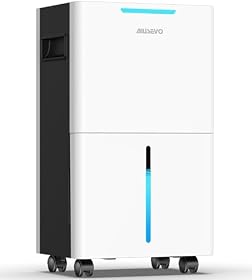
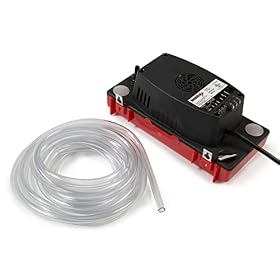
A basement dehumidifier and a vapor barrier do different jobs. A dehumidifier lowers moisture in the air; a vapor barrier slows water vapor moving through a surface such as a wall or floor. Choose based on where the moisture is coming from—and fix leaks or seepage before relying on either one.
What each one does
Dehumidifier
A dehumidifier pulls moisture from basement air and collects it in a tank or sends it to a drain. It can help control high indoor humidity and related condensation, musty odors, and conditions that support mold growth. It does not stop water from entering through a foundation or repair a plumbing leak.
A dehumidifier needs adequate airflow and a way to handle collected water. For ongoing operation, a compatible continuous-drain hose or condensate pump can reduce the need to empty the tank. Follow the unit’s instructions for placement, drainage, temperature limits, and filter care.
Vapor barrier
A vapor barrier—or, more precisely in many building assemblies, a vapor retarder—slows water vapor passing through a material. It may be part of a wall, floor, or crawl-space assembly. It does not remove moisture already in the air, and it generally will not stop bulk water from a leak, flooding, or groundwater pressure.
Where the barrier belongs depends on the foundation, climate, and wall assembly. Adding plastic sheeting to the inside of a basement wall without considering the full assembly can trap moisture and contribute to damage. Check local building guidance or consult a qualified building professional before covering foundation walls, especially when finishing a basement.